
Uncategorized
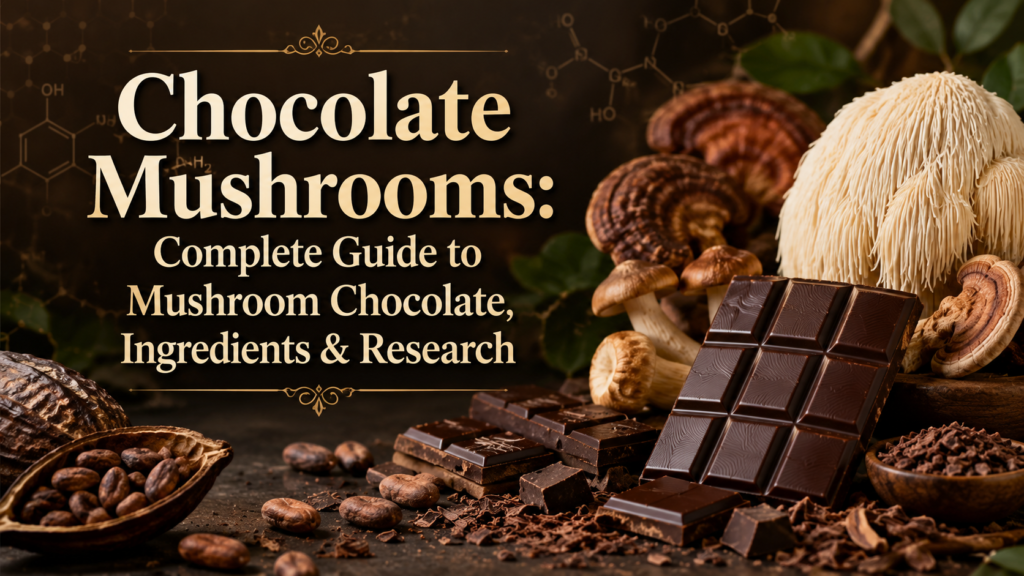
Chocolate Mushrooms: Complete Guide to Mushroom Chocolate, Ingredients & Research
Jul
Chocolate Mushrooms: Complete Guide to Mushroom Chocolate, Ingredients & Research
Chocolate Mushrooms have become an increasingly popular category within the premium mushroom chocolate market, combining high-quality chocolate with carefully selected mushroom ingredients to create unique gourmet products. As interest in specialty foods and mushroom-based products continues to grow, consumers are discovering a wide variety of chocolate mushrooms available in different flavors, chocolate types, and formulations.
Whether you’re exploring Chocolate Mushrooms for the first time or comparing premium mushroom chocolate products, this educational guide explains how these products are made, the ingredients commonly used, popular flavor profiles, manufacturing standards, and current scientific research.
If you’re new to this category, our guides to Mushroom Chocolate Bar, Mushroom Chocolates, and Best Mushroom Chocolate Brands provide additional information about today’s growing mushroom chocolate market.
Evergreen Mushrooms also offers an extensive collection of Mushroom Chocolate Bars for readers interested in exploring the category.
Important: Mushroom chocolate products can contain different ingredients and mushroom preparations. Always review the current product label, ingredient list, serving information, allergen information, and applicable regulations before purchasing or consuming a product.
What Are Chocolate Mushrooms?
Chocolate Mushrooms refer to premium chocolate products that incorporate mushroom-derived ingredients into carefully crafted recipes. Depending on the manufacturer, these products may contain culinary mushrooms, functional mushroom extracts, botanical ingredients, or proprietary mushroom blends.
They are commonly produced using dark chocolate, milk chocolate, or white chocolate together with complementary ingredients such as toasted coconut, caramel, coffee, vanilla, berries, or nuts.
Consumers researching Chocolate Mushrooms often compare them with other premium products discussed in our guides to Mushroom Chocolates, Chocolate Mushroom Bars, and TRE House Mushroom Chocolate.
Understanding the differences between these products can help shoppers make more informed decisions.
Before purchasing any mushroom chocolate product, it’s also helpful to read Are Mushroom Chocolate Bars Legit?, which explains ingredient transparency, product quality, and responsible purchasing considerations.
For readers interested in the available collection, visit the Mushroom Chocolate Bars category.
The History of Mushroom Chocolate
Chocolate has been enjoyed for centuries, evolving from ancient cacao beverages into the artisan chocolate products available today.
As premium chocolate manufacturing advanced, chocolatiers began experimenting with gourmet ingredients including spices, fruits, herbs, botanicals, nuts, and mushrooms.
Modern Chocolate Mushrooms continue this tradition of innovation by combining premium cocoa with carefully selected mushroom ingredients and gourmet recipes.
Consumers interested in the production process can also learn more in our guide How Mushroom Chocolate Bars Are Made, which explains how premium mushroom chocolate products are crafted.
Why Chocolate Mushrooms Are Becoming Popular
The popularity of Chocolate Mushrooms continues to grow because consumers are increasingly seeking premium chocolate products that combine gourmet flavors with carefully selected mushroom ingredients.
Specialty food retailers and online stores have made these products more accessible, while interest in artisan chocolate and mushroom-based products has continued to expand.
- Growing appreciation for artisan chocolate.
- Increasing interest in mushroom-based products.
- Premium cocoa and gourmet ingredients.
- Creative flavor combinations.
- Gift-ready packaging.
- Expansion of specialty chocolate brands.
As consumer awareness continues to grow, many shoppers begin by comparing trusted retailers before purchasing. Our guide Shroom Chocolate Bars Near Me explains how to identify reputable sources and compare premium mushroom chocolate products responsibly.
Popular Chocolate Varieties
One reason Chocolate Mushrooms continue to attract attention is the wide variety of chocolate styles available. Each chocolate base offers a unique flavor profile and texture that can complement different recipes and mushroom ingredients.
Consumers comparing chocolate styles may also enjoy our educational guides to Mushroom Chocolate Bar and Best Mushroom Chocolate Brands.
| Chocolate Variety | Characteristics |
|---|---|
| Dark Chocolate | Rich cocoa flavor with higher cocoa content. |
| Milk Chocolate | Creamy texture with a sweeter taste. |
| White Chocolate | Made with cocoa butter, milk solids, and sugar. |
| Ruby Chocolate | Naturally pink chocolate with fruity notes. |
| Artisan Chocolate | Craft chocolate produced in smaller batches using selected cocoa beans. |
The chocolate variety can significantly influence the overall taste, texture, and sweetness of a mushroom chocolate product.
Common Ingredients in Chocolate Mushrooms
The quality and characteristics of Chocolate Mushrooms depend largely on the ingredients selected during manufacturing.
Premium brands may use high-quality cocoa, natural flavorings, and carefully sourced mushroom ingredients to produce chocolate with a rich flavor and smooth texture. Recipes vary by manufacturer, but many products share a similar ingredient foundation.
If you’re comparing premium mushroom chocolate products, our guides to Mushroom Chocolate Bar, Mushroom Chocolates, and Best Mushroom Chocolate Brands provide additional information.
Common ingredients found in Chocolate Mushrooms can include:
- Premium cocoa mass.
- Cocoa butter.
- Cane sugar.
- Milk powder for milk chocolate varieties.
- Natural vanilla.
- Sea salt.
- Natural flavorings.
- Mushroom-derived ingredients.
- Botanical extracts.
- Optional ingredients such as caramel, toasted coconut, coffee, nuts, berries, or spices.
Many artisan chocolate manufacturers also emphasize carefully selected ingredients and cocoa sourcing when producing premium chocolate products.
Because formulations differ, consumers should always review the current product label for the exact ingredients contained in a specific product.
Common Mushroom Varieties
Depending on the manufacturer, Chocolate Mushrooms may feature different mushroom ingredients. Some products include functional mushroom extracts, while others incorporate culinary mushrooms or proprietary mushroom blends.
Understanding these varieties helps consumers appreciate the diversity within today’s mushroom chocolate market.
| Mushroom Variety | General Characteristics |
|---|---|
| Lion’s Mane | Frequently included in premium functional mushroom products. |
| Reishi | Well known for its long history in traditional botanical preparations. |
| Cordyceps | Commonly featured in specialty mushroom formulations. |
| Chaga | Often included in premium mushroom blends. |
| Turkey Tail | Recognized for its distinctive appearance and traditional applications. |
Readers interested in learning more about mushroom chocolate products can also explore our educational guides on Chocolate Mushroom Bars, TRE House Mushroom Chocolate, and Are Mushroom Chocolate Bars Legit?.
Scientific research into functional mushrooms continues to evolve. Organizations such as the National Institutes of Health, the National Center for Complementary and Integrative Health, and PubMed provide educational and research resources about mushrooms and botanical ingredients.
Evidence varies depending on the mushroom species, preparation, compounds studied, and research design.
Popular Chocolate Mushroom Flavors
One reason Chocolate Mushrooms continue to attract interest is the variety of gourmet flavor combinations available.
Premium chocolatiers can combine chocolate with complementary ingredients to create distinctive taste profiles.
Popular flavor profiles include:
- Dark Chocolate Toffee
- Dark Chocolate Toasted Coconut
- Salted Caramel Pecan
- Apple Pie
- Blue Acai
- Butter Pecan
- Cookies & Cream
- Mint Chocolate
- Espresso Coffee
- Peanut Butter
Flavor availability varies by manufacturer and product line, so consumers should check current product information when comparing options.
To explore the available collection, visit the Mushroom Chocolate Bars category.
General Nutritional Overview
The nutritional composition of Chocolate Mushrooms depends on the recipe, cocoa percentage, chocolate variety, serving size, and additional ingredients selected by each manufacturer.
Dark chocolate generally contains a higher percentage of cocoa, while milk chocolate products often contain additional milk solids and sugar. White chocolate has a different formulation based primarily on cocoa butter, milk ingredients, and sugar.
Additional ingredients such as caramel, nuts, coconut, or other flavor components can also affect nutritional information.
Consumers should always review the manufacturer’s current nutrition label for accurate information regarding calories, sugars, fats, serving sizes, allergens, and other nutritional values.
Current Scientific Research
Scientific interest in mushrooms, cocoa, and specialty food ingredients has grown substantially in recent years.
Researchers continue studying mushroom chemistry, cocoa composition, analytical testing methods, food quality assurance, ingredient stability, and botanical ingredients.
However, relatively few peer-reviewed studies have specifically evaluated finished Chocolate Mushrooms as consumer products.
Current areas of scientific investigation include:
- Mushroom chemistry and naturally occurring compounds.
- Cocoa composition and chocolate production.
- Food quality assurance.
- Analytical laboratory testing.
- Ingredient stability during manufacturing.
- Botanical ingredient research.
Most available scientific literature examines mushrooms or chocolate independently rather than finished mushroom chocolate products.
Consumers should therefore distinguish between research involving an individual mushroom or cocoa ingredient and evidence specifically evaluating a finished mushroom chocolate product.
Useful research resources include PubMed, the National Institutes of Health, and the National Center for Complementary and Integrative Health.
How to Choose Quality Chocolate Mushrooms
As the market for Chocolate Mushrooms continues to expand, consumers can choose from a growing selection of brands, flavors, and recipes.
Selecting quality products begins with understanding what reputable manufacturers prioritize during production. Ingredient transparency, clear labeling, quality assurance, and consistent manufacturing information can all be useful considerations.
When comparing products, readers may also find our educational guides to Best Mushroom Chocolate Brands, TRE House Mushroom Chocolate, and Are Mushroom Chocolate Bars Legit? helpful.
When shopping for Chocolate Mushrooms, consider the following:
- Clearly labeled ingredients and allergen information.
- Transparent manufacturer information.
- Professional packaging with storage recommendations.
- Independent laboratory testing when available.
- Verified customer reviews and brand reputation.
- Fresh production dates and expiration information.
- Purchasing from reputable retailers.
If you’re researching where to purchase mushroom chocolate, our guide to Shroom Chocolate Bars Near Me explains how to compare sources responsibly.
For the Evergreen Mushrooms collection, visit Mushroom Chocolate Bars.
Storage Recommendations
Proper storage helps preserve the taste, texture, and quality of Chocolate Mushrooms.
Chocolate is sensitive to excessive heat, humidity, and direct sunlight, making proper storage important for maintaining freshness and product quality.
- Store in a cool, dry place.
- Keep away from direct sunlight.
- Avoid excessive humidity.
- Reseal packaging securely after opening.
- Follow the manufacturer’s recommended storage conditions.
Correct storage can help maintain flavor and texture while reducing the likelihood of chocolate bloom.
Consumers should also check the manufacturer’s expiration or best-by information where provided.
Frequently Asked Questions
What are Chocolate Mushrooms?
Chocolate Mushrooms are chocolate products made by combining chocolate with mushroom-derived ingredients. Recipes vary depending on the manufacturer, ingredients used, and intended product style.
How are Chocolate Mushrooms made?
Manufacturing methods differ between brands, but generally involve combining chocolate with selected mushroom ingredients before molding and packaging. Learn more in our guide How Mushroom Chocolate Bars Are Made.
What mushrooms are commonly used in Chocolate Mushrooms?
Depending on the product, formulations may feature mushrooms such as Lion’s Mane, Reishi, Cordyceps, Chaga, or Turkey Tail. Always review the individual product label for the exact ingredients.
What types of chocolate can be used?
Chocolate mushroom products can use dark chocolate, milk chocolate, white chocolate, ruby chocolate, or other artisan chocolate formulations.
How do I compare different mushroom chocolate products?
Compare ingredient transparency, mushroom ingredients, chocolate type, serving information, manufacturer details, laboratory testing where available, storage information, and product labeling.
How should Chocolate Mushrooms be stored?
Store products according to the manufacturer’s recommendations. Chocolate is generally best protected from excessive heat, humidity, and direct sunlight.
Does a mushroom ingredient automatically prove a specific health benefit?
No. The presence of a mushroom ingredient does not by itself establish a specific health outcome. Scientific evidence varies depending on the mushroom species, preparation, study design, and outcome being investigated.
Where can I explore Chocolate Mushrooms?
Evergreen Mushrooms has a dedicated Mushroom Chocolate Bars category for readers interested in exploring the available collection.
Where can I learn more about mushroom chocolate?
Explore our educational resources covering Mushroom Chocolate Bar, Mushroom Chocolates, Chocolate Mushroom Bars, TRE House Mushroom Chocolate, and Best Mushroom Chocolate Brands.
Authoritative References
Conclusion
Chocolate Mushrooms continue to attract interest among consumers exploring premium chocolate products that combine cocoa with carefully selected mushroom-derived ingredients.
Understanding the ingredients, chocolate varieties, mushroom varieties, flavor profiles, manufacturing information, storage recommendations, and available research can help consumers make more informed comparisons.
Scientific research into mushrooms, cocoa, and botanical ingredients continues to develop. However, relatively few peer-reviewed studies have specifically evaluated finished mushroom chocolate products as complete consumer formulations.
For that reason, research involving an individual mushroom or chocolate ingredient should not automatically be interpreted as evidence about every finished mushroom chocolate product.
Transparent labeling, reputable sourcing, and careful evaluation of product information remain important when comparing options.
To explore the available collection, visit the Mushroom Chocolate Bars category.
For additional education, continue with our guides to Mushroom Chocolate Bar, Mushroom Chocolates, Best Mushroom Chocolate Brands, and How Mushroom Chocolate Bars Are Made.
Disclaimer
This article is provided for educational and informational purposes only. It is not intended as medical, legal, nutritional, or professional advice. Product formulations, ingredients, availability, and regulations can vary by manufacturer and jurisdiction. Always review current product labels carefully and consult an appropriately qualified professional if you have questions about your health, dietary needs, or applicable laws.
