
Mexi Mushroom: 7 Fascinating Facts & Research Guide
Mexi mushroom is a name associated with a named variety of
Psilocybe cubensis discussed within mushroom and mycology communities.
This educational guide examines the terminology, background, classification,
reported characteristics, scientific research, identification limitations,
and legal considerations surrounding the name.
Community mushroom names should be distinguished from formal scientific
taxonomy. A named variety does not automatically represent a separate
biological species, and descriptions can differ between sources and individual
specimens.
Table of Contents
What Is the Mexi Mushroom?
The Mexi mushroom is an informal name associated with
discussions of Psilocybe cubensis varieties. Names used within
mushroom communities can refer to reported lines, histories, or characteristics
rather than formal scientific classifications.
The relevant species-level classification is Psilocybe cubensis.
The name Mexi should therefore be understood as community terminology rather
than automatically as the name of a separate mushroom species.
Information about individual named varieties can be limited. For that reason,
claims about appearance or other characteristics should be evaluated according
to the quality of the supporting evidence.
Mexi Mushroom Background
The background of the Mexi mushroom is connected with the
broader history of named Psilocybe cubensis varieties. Mushroom
communities use many informal names to distinguish reported genetic lines,
histories, or observable characteristics.
These names are not necessarily recognized as separate species under formal
scientific taxonomy. It is therefore useful to distinguish community
terminology from established biological classification.
Scientific research into Psilocybe cubensis continues to examine
genetic diversity, taxonomy, environmental influences, and chemical
composition.
Reported Appearance of the Mexi Mushroom
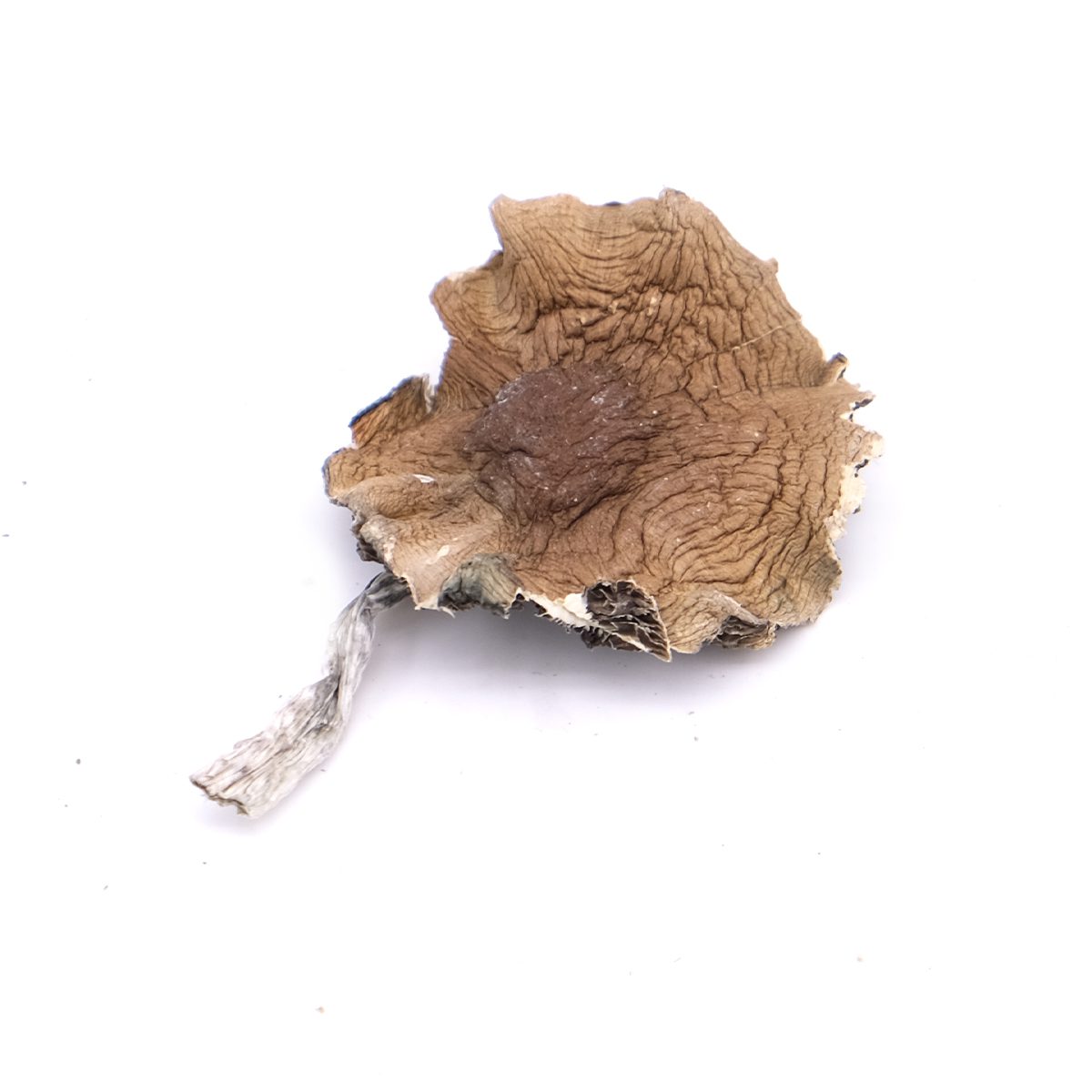
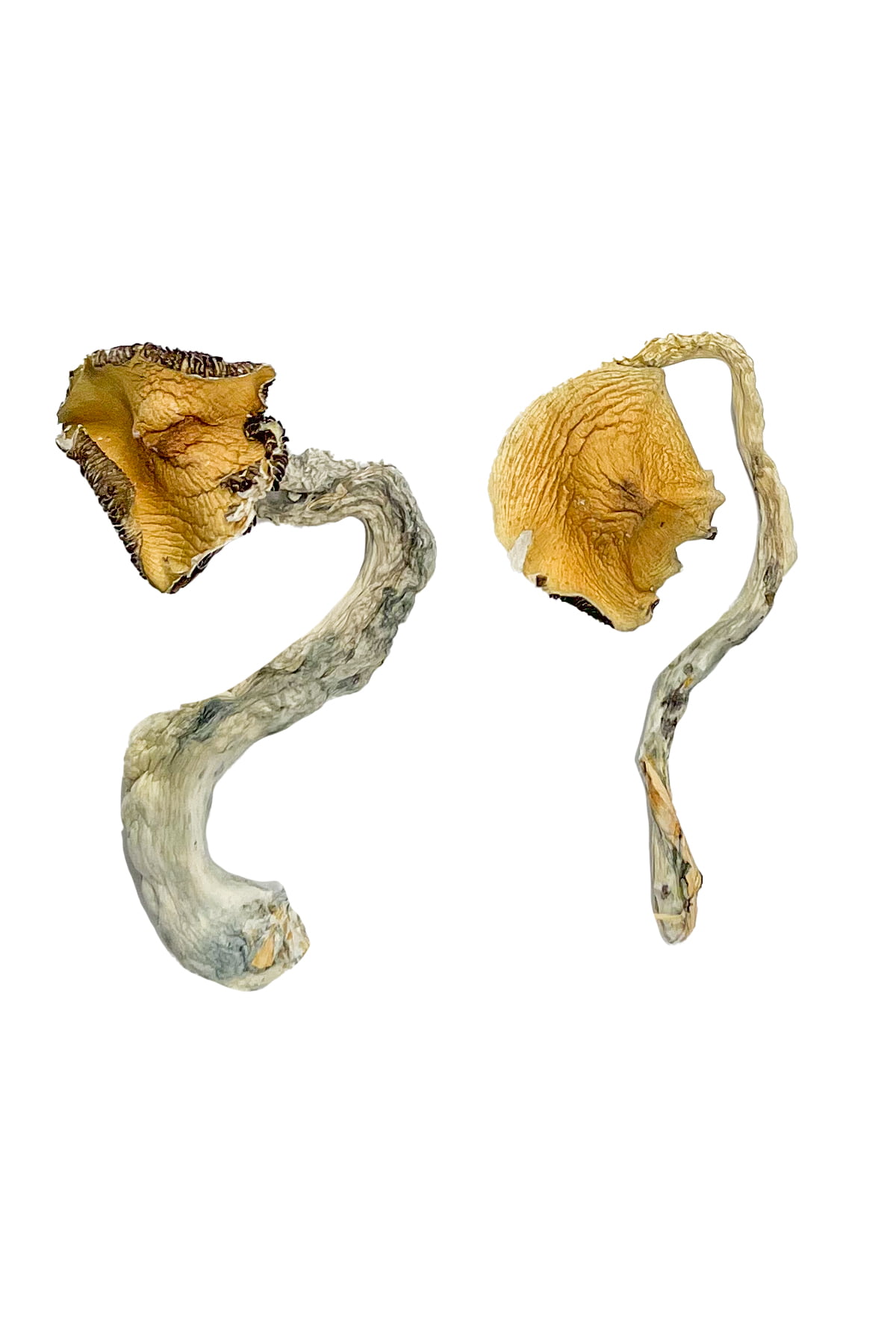
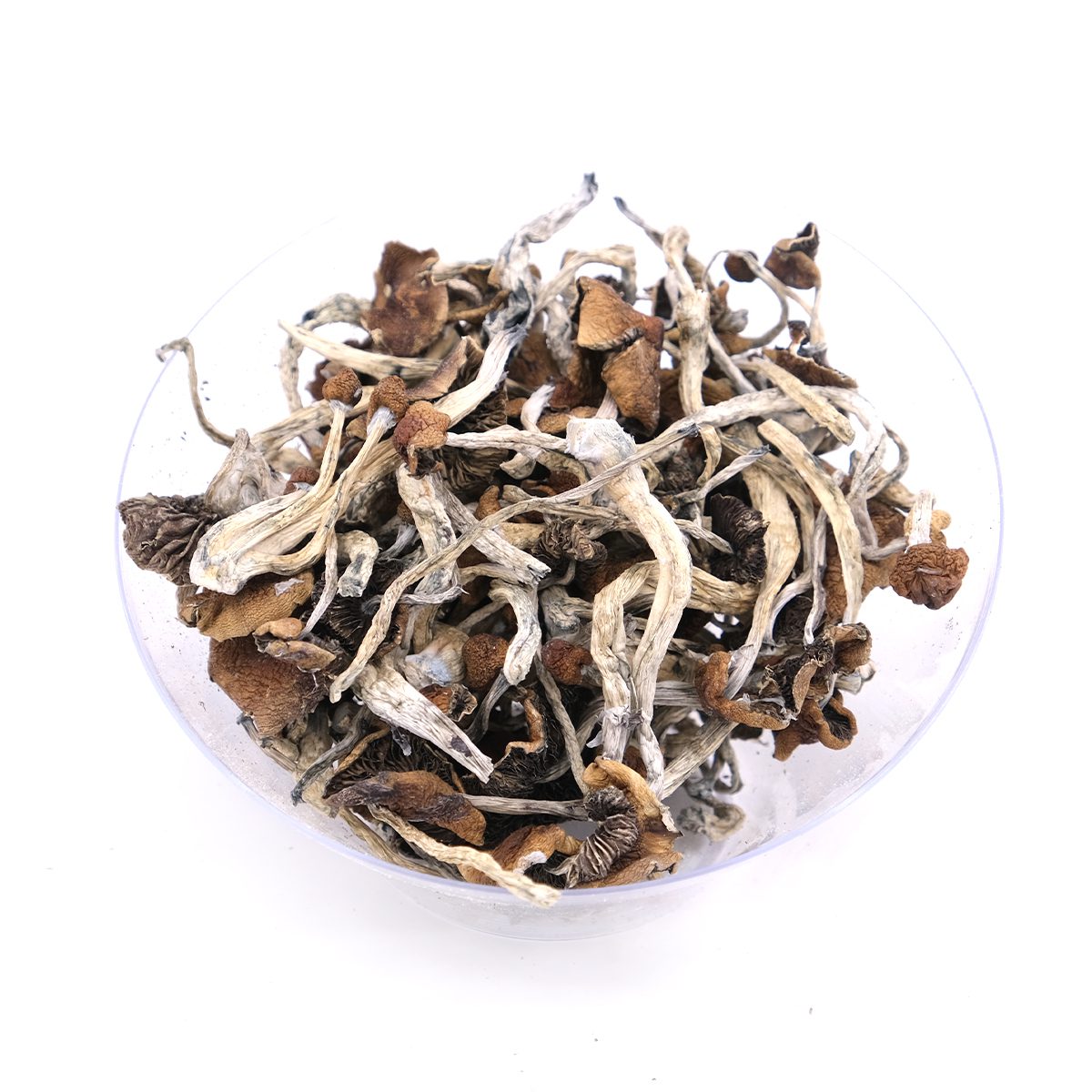
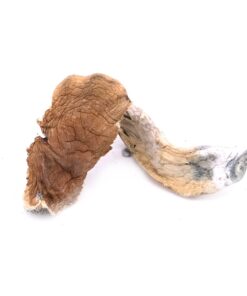
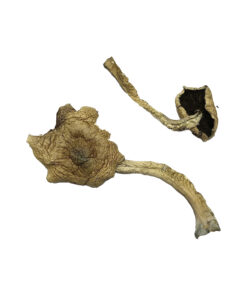
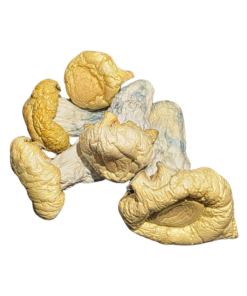
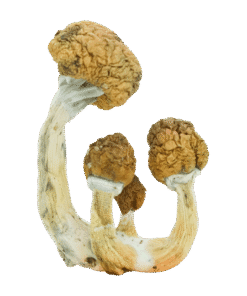
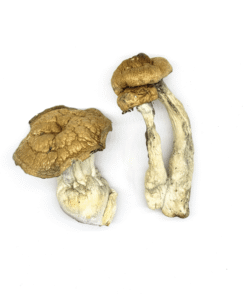
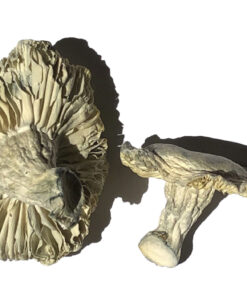
The original draft describes the Mexi mushroom using general
characteristics such as slender stems, rounded caps, and light coloration.
However, those characteristics should not be presented as definitive
scientific identifiers for every specimen described using the Mexi name.
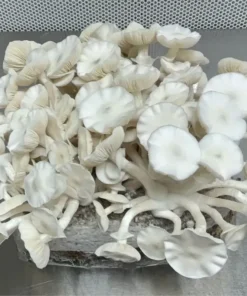
More generally, Psilocybe cubensis specimens can vary in morphology.
Genetics, environmental conditions, maturity, and other factors can influence
observable characteristics.
- Individual specimens can vary in morphology.
- Cap shape and size can differ between specimens.
- Stem characteristics can vary.
- Coloration can change with maturity and environmental conditions.
- Visual appearance alone cannot establish genetic identity.
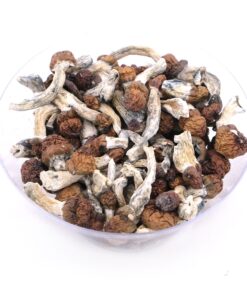
Consequently, photographs and general descriptions should not be treated as
definitive scientific identification of a particular named variety.
Taxonomy and Classification of the Mexi Mushroom
The Mexi mushroom is associated with the species
Psilocybe cubensis. A community variety name and a scientific species
classification represent different levels of biological terminology.
For species-level taxonomic information, consult the
NCBI Taxonomy entry for Psilocybe cubensis
.
This distinction is important because using a particular community name does
not by itself establish a separate scientific species.
Scientific Research on the Mexi Mushroom
Scientific research generally focuses on Psilocybe species, genetics,
taxonomy, and chemical compounds rather than treating every community variety
as a separate scientific subject.
Recent research has begun examining differences between cultivated
Psilocybe cubensis strains under controlled conditions. A 2026 study
examined multiple strains and measured several tryptamine compounds.
The researchers found substantial chemical variation between strains and also
observed variation between individual fruiting bodies within some strains.
For additional scientific information, see the
PubMed research on Psilocybe cubensis strain variability
.
These findings demonstrate why a community name should not automatically be
treated as a guarantee of a particular chemical profile.
Identification and Limitations
An important consideration when researching the Mexi
mushroom is the difference between a community name and scientifically
confirmed identification.
A photograph or general description cannot independently establish the genetic
identity of a mushroom. Molecular and laboratory methods can provide
additional evidence when scientific identification is required.
Research involving Psilocybe has also highlighted challenges
associated with specimen identification and genetic records. These findings
demonstrate why online variety descriptions should be evaluated carefully.
For additional scientific context, see this
peer-reviewed research on Psilocybe DNA authentication
.
Related Mushroom Education
Readers researching the Mexi mushroom can explore related
Evergreen Mushrooms educational resources:
Mushroom Gummies Benefits
Functional Mushroom Gummies Guide
How Functional Mushroom Gummies Work
Functional Mushroom Gummies Ingredients
Functional Mushroom Gummies Side Effects
Functional Mushroom Gummies vs Capsules
Microdosing Guide
Beginners Guide to Mushroom Microdosing
Microdose Safety Guide
Functional Mushrooms Explained
For broader mushroom information, visit the
Dried Mushrooms
category.
You can also explore the
Fresh Mushrooms
category for additional mushroom-related resources.
Legal and Safety Considerations
The legal status of psilocybin-containing mushrooms varies considerably
between jurisdictions. Laws can differ between countries, states, provinces,
and municipalities and may change over time.
Anyone researching the Mexi mushroom should verify the
current laws applicable to their location rather than relying on information
from another jurisdiction.
Mushroom identification also requires appropriate expertise. Similar-looking
fungi can make visual identification difficult, and appearance alone cannot
establish species identity or chemical composition.
This page is provided for educational and informational purposes and should
not be interpreted as legal, medical, or professional identification advice.
Frequently Asked Questions About the Mexi Mushroom
What is the Mexi mushroom?
The Mexi mushroom is a community-used name associated with a
named variety of Psilocybe cubensis.
Is the Mexi mushroom a separate species?
The Mexi name does not by itself establish a separate scientific species. The
relevant species-level classification is Psilocybe cubensis.
What does the Mexi mushroom look like?
Descriptions can vary between sources. The characteristics in the original
draft should be treated as general reported descriptions rather than
definitive identifiers for every specimen.
Does scientific research specifically study the Mexi mushroom?
Most scientific research focuses on Psilocybe cubensis as a species,
including its genetics, taxonomy, and chemical composition, rather than
treating individual community names as separate scientific subjects.
Can appearance identify a specific mushroom variety?
No. Visual appearance alone cannot definitively establish genetic identity or
chemical composition. Scientific identification may require molecular or
laboratory methods.
Can chemical characteristics vary between mushroom strains?
Yes. Controlled research has documented meaningful variation in chemical
profiles between cultivated Psilocybe cubensis strains and between
some individual fruiting bodies.
Is the Mexi mushroom legal everywhere?
No. Laws concerning psilocybin-containing mushrooms vary by jurisdiction.
Anyone researching the subject should verify the current laws applicable to
their location.
Conclusion
The Mexi mushroom is a community-used name associated with
Psilocybe cubensis. As with other informal variety names, it is
important to distinguish community terminology from formal scientific
taxonomy.
Current research demonstrates that Psilocybe cubensis can exhibit
meaningful genetic and chemical variation. Consequently, a variety name should
not automatically be treated as a guarantee of a particular appearance or
chemical profile.
Readers researching the Mexi name should prioritize reliable scientific
sources, peer-reviewed research, and current local laws when evaluating
information about named mushroom varieties.
Be the first to review “Mexi Magic Mushrooms”