
Vietnamese Mushroom: 7 Remarkable Facts & Ultimate Guide
The Vietnamese Mushroom is a named variety associated with
Psilocybe cubensis and is discussed within mycology communities in
connection with its reported geographic background, morphology, and cultivation
history. As with other informal variety names, descriptions can differ between
sources and individual specimens.
Vietnamese Mushroom Guide
What Is the Vietnamese Mushroom?
The Vietnamese Mushroom is a community-used name associated
with a variety of Psilocybe cubensis. It is discussed by mushroom
enthusiasts and mycology communities because of its reported geographic
association and observable characteristics.
A named variety should not automatically be interpreted as a separate
scientific species. Informal mushroom terminology and formal biological
classification describe different aspects of mushroom identity.
Descriptions can also vary because individual specimens may develop different
physical characteristics depending on genetics, maturity, and environmental
conditions.
Background and Geographic Association
The Vietnamese designation is associated with specimens reported from Vietnam
and their subsequent history within mushroom communities. Geographic names are
sometimes used to describe the reported origin or background of particular
mushroom varieties.
Historical information about informal varieties is not always standardized.
Consequently, claims concerning exact provenance or lineage should be evaluated
carefully when supporting documentation is unavailable.
The Vietnamese name remains part of the terminology used by people interested
in the diversity and history of Psilocybe cubensis.
Appearance and Characteristics
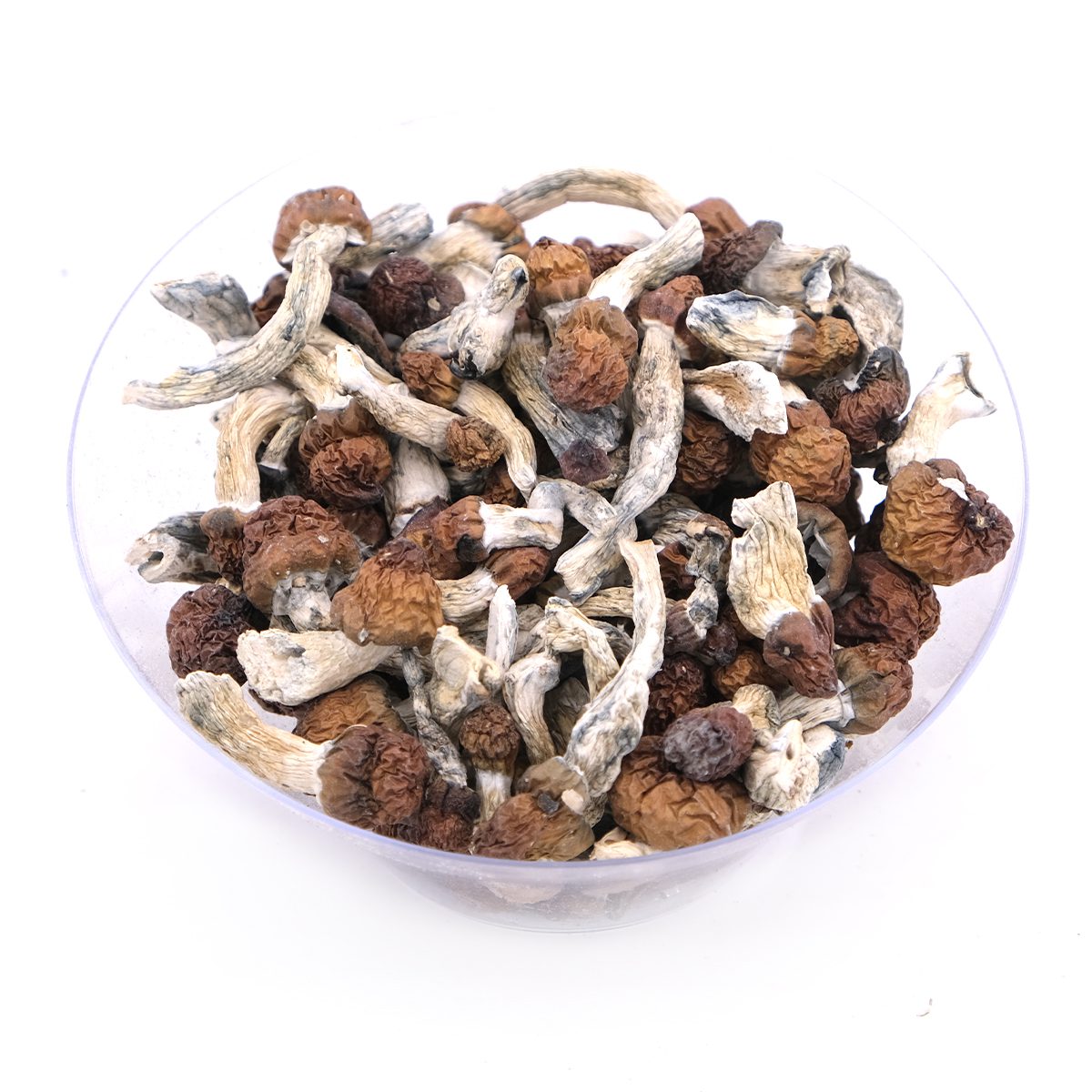
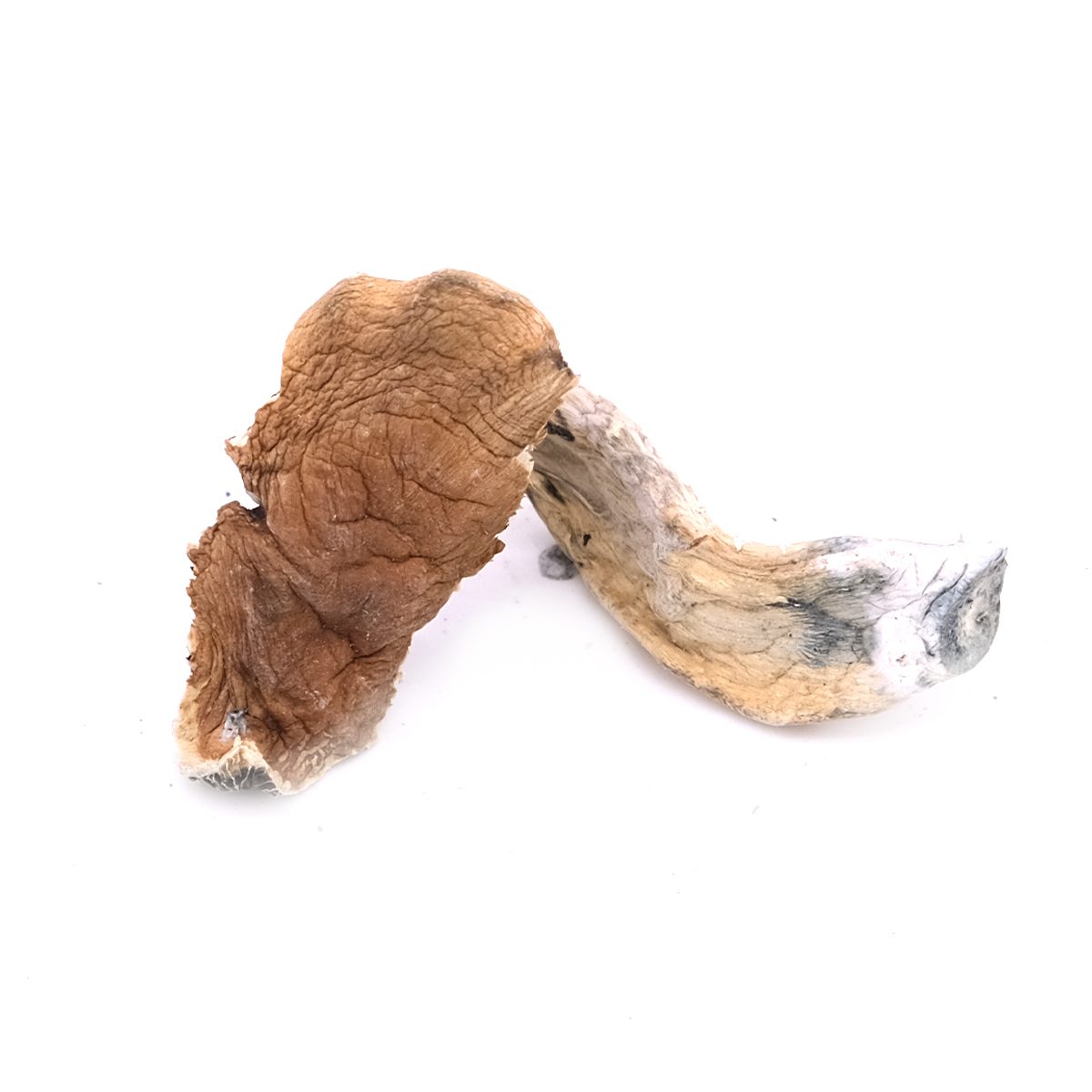
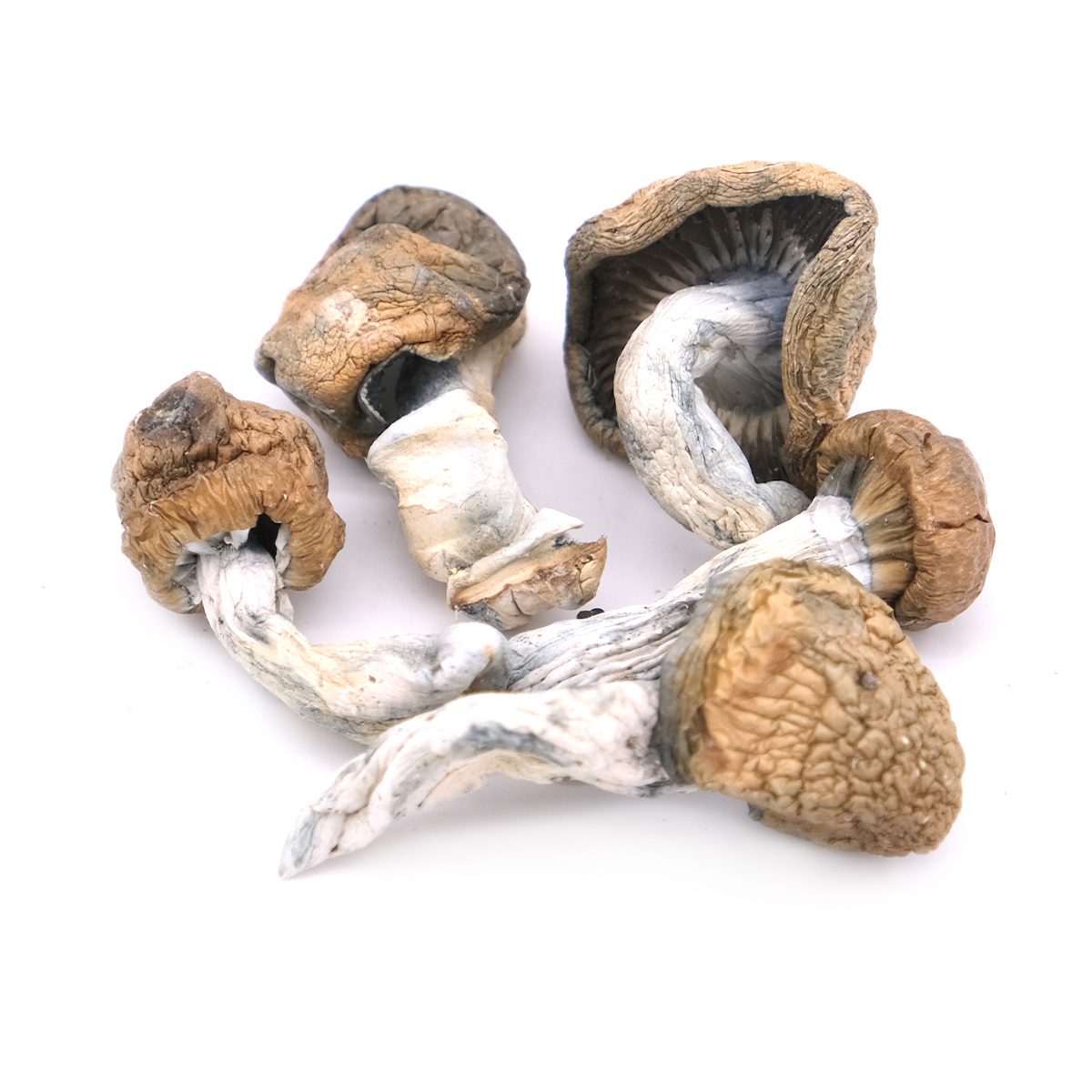
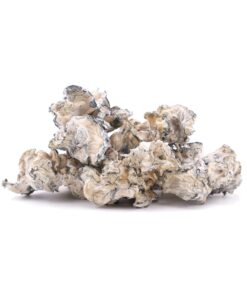
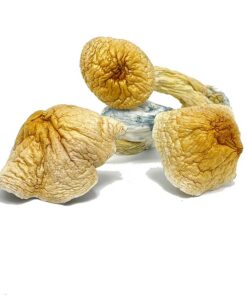
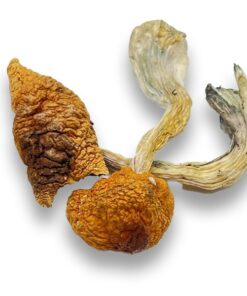
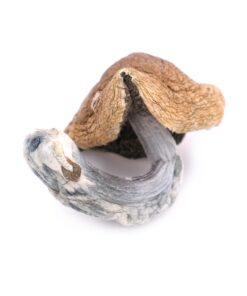
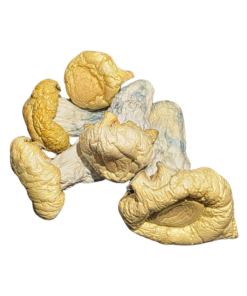
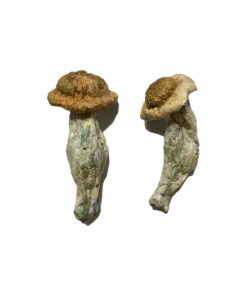
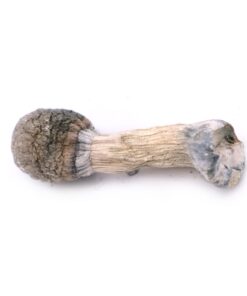
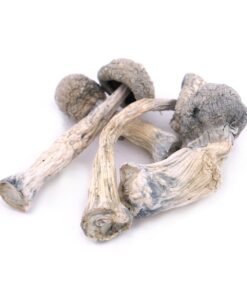
Descriptions of the Vietnamese Mushroom commonly discuss cap coloration, stem
structure, overall size, and general fruiting-body morphology. These features
should be regarded as general observations rather than definitive
identification markers.
- Caps may show golden, tan, or light brown coloration.
- Stems can vary in thickness and length.
- Cap shape may change as individual specimens mature.
- Overall size can vary according to environmental conditions.
- Individual specimens may display different physical characteristics.
Environmental conditions can influence mushroom morphology, making it difficult
to establish a named variety from appearance alone.
Taxonomy and Classification
The Vietnamese Mushroom is associated with Psilocybe cubensis. The
Vietnamese designation is therefore best understood as an informal variety
name rather than the scientific name of a separate species.
For formal taxonomic information, the
NCBI Taxonomy database
can be used as a scientific reference.
Distinguishing between species, varieties, strains, and informal community
terminology is important when evaluating mushroom information online.
Scientific Research
Scientific research involving Psilocybe cubensis and psilocybin
generally addresses broader subjects such as chemistry, pharmacology,
genetics, and biological effects.
This research should not automatically be described as research specifically
performed on the Vietnamese variety. Community-named varieties are not
necessarily investigated independently in controlled scientific studies.
For peer-reviewed biomedical literature, readers can search
PubMed
for published research.
Identification Considerations
Identifying the Vietnamese Mushroom from a photograph or
general appearance can be challenging. Different varieties associated with
Psilocybe cubensis can share similar physical characteristics.
Cap color, stem proportions, size, and other visible features can also change
with maturity and environmental conditions. A photograph cannot independently
establish genetic lineage.
Anyone examining an unknown wild mushroom should exercise particular caution
because unrelated species can have similar appearances.
Legal and Safety Considerations
Regulations concerning psilocybin-containing mushrooms differ between
jurisdictions. Laws may also change over time, so information applicable to one
location should not automatically be applied to another.
For readers researching Colorado regulations, see the
Psilocybin Mushrooms in Colorado Compliance Guide
for additional jurisdiction-specific educational information.
Always verify current regulations through appropriate official sources in the
relevant jurisdiction. A community mushroom name should not be treated as a
statement about legal status.
Related Mushroom Reading
For broader information about mushroom terminology and wellness-related
mushroom categories, read
Functional Mushrooms Explained
.
Readers interested in general information about mushroom gummies can also
explore
Functional Mushroom Gummies Guide
.
For another perspective on mushroom ingredients and product terminology, see
Functional Mushroom Gummies Ingredients
.
Frequently Asked Questions About the Vietnamese Mushroom
What is the Vietnamese Mushroom?
The Vietnamese Mushroom is a community-recognized named
variety associated with Psilocybe cubensis.
Why is it called Vietnamese?
The name is associated with specimens reported from Vietnam and their
subsequent history within mushroom communities.
Is the Vietnamese Mushroom a separate species?
No. It is associated with Psilocybe cubensis rather than representing
a separately recognized scientific species.
What does the Vietnamese Mushroom look like?
Descriptions may mention golden, tan, or light brown caps and varying stem
characteristics. Individual specimens can differ because of genetics,
development, and environmental conditions.
Can appearance confirm the variety?
No. Visible characteristics alone cannot reliably establish the genetic
identity of an informal mushroom variety.
Does scientific research specifically study this variety?
Most scientific research concerns broader subjects involving
Psilocybe cubensis, psilocybin, chemistry, genetics, and pharmacology
rather than examining every community-named variety independently.
Why can descriptions differ between websites?
Informal variety terminology is not always standardized, and individual
specimens can vary because of genetics, maturity, and environmental conditions.
Does the legal status vary by location?
Yes. Laws concerning psilocybin-containing mushrooms differ between
jurisdictions and can change over time.
Conclusion
The Vietnamese Mushroom is a named variety associated with
Psilocybe cubensis and is discussed within mushroom communities for
its reported geographic background and physical characteristics.
When researching this variety, it is important to distinguish informal
community terminology from formal taxonomy and to rely on authoritative
scientific and legal resources when evaluating questions about classification,
research, identification, and regulations.
Be the first to review “Vietnamese Magic Mushrooms”