
Koh Samui Mushroom: 5 Essential Facts & Fascinating Origins
Koh Samui mushroom is a community-used name associated with
a named variety of Psilocybe cubensis. The name is commonly discussed
in mycology communities alongside other named varieties. This guide looks at
its reported background, terminology, morphology, scientific classification,
and the limitations of identifying named varieties from appearance alone.
Inside This Guide
Understanding the Koh Samui Mushroom
The Koh Samui mushroom is an informal variety name associated
with Psilocybe cubensis. Within mushroom communities, names such as
Koh Samui are used to distinguish particular reported varieties or lines.
It is important to separate this community terminology from formal biological
classification. A named variety does not automatically constitute a separate
species, and available descriptions may differ between sources.
Information about individual named varieties can also be limited compared with
research conducted at the species level. Consequently, claims about specific
characteristics should be considered carefully.
Name and Background
The name Koh Samui mushroom is associated with the broader
history of named Psilocybe cubensis varieties. Such names may reflect
reported geographic associations, cultivation histories, community terminology,
or other characteristics used to distinguish one variety from another.
These informal names are widely encountered in mushroom communities, but they
should not automatically be interpreted as formal scientific classifications.
The scientific name and the community variety name serve different purposes.
When researching a named mushroom, it is therefore useful to compare community
descriptions with established scientific information about the underlying
species.
Appearance and Morphology
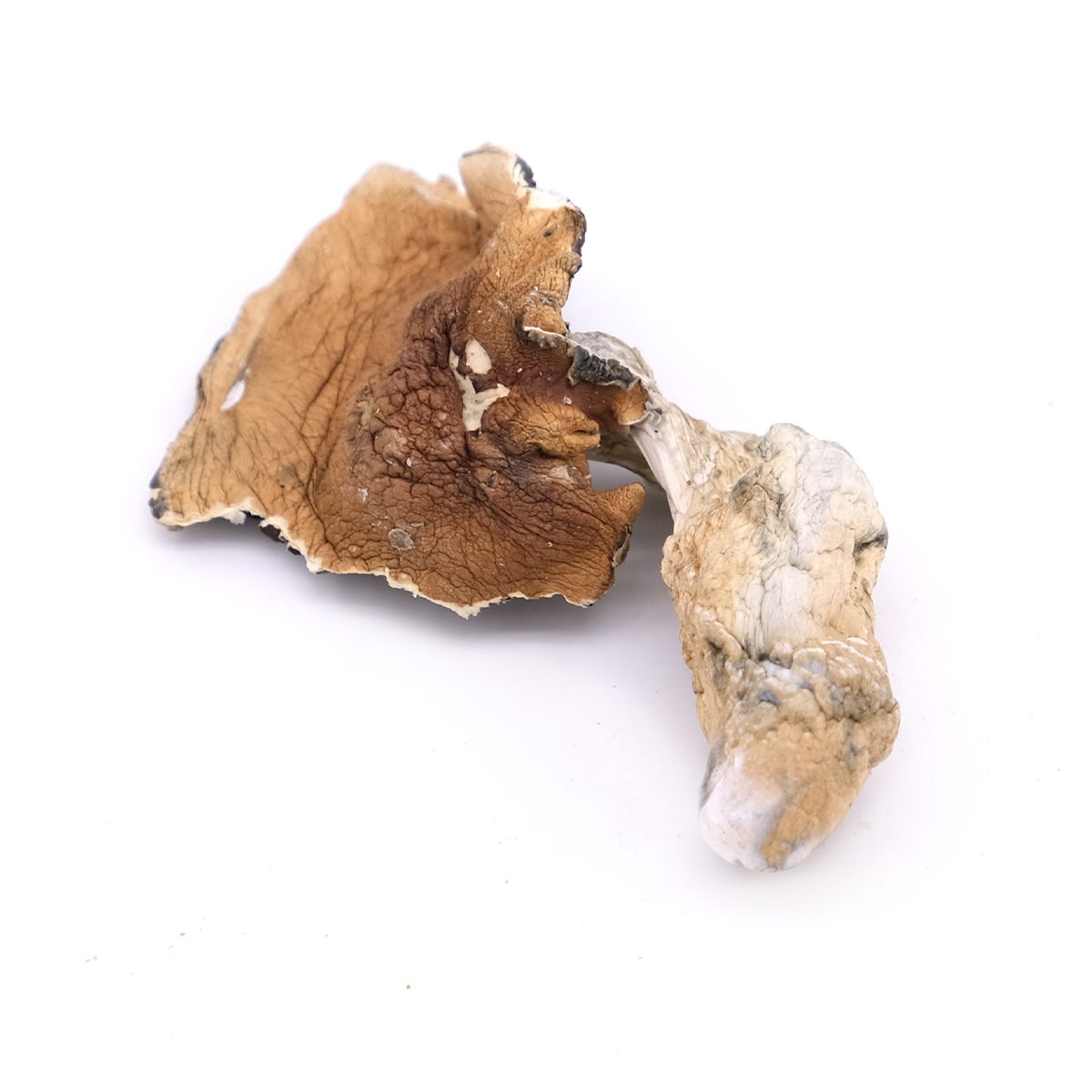
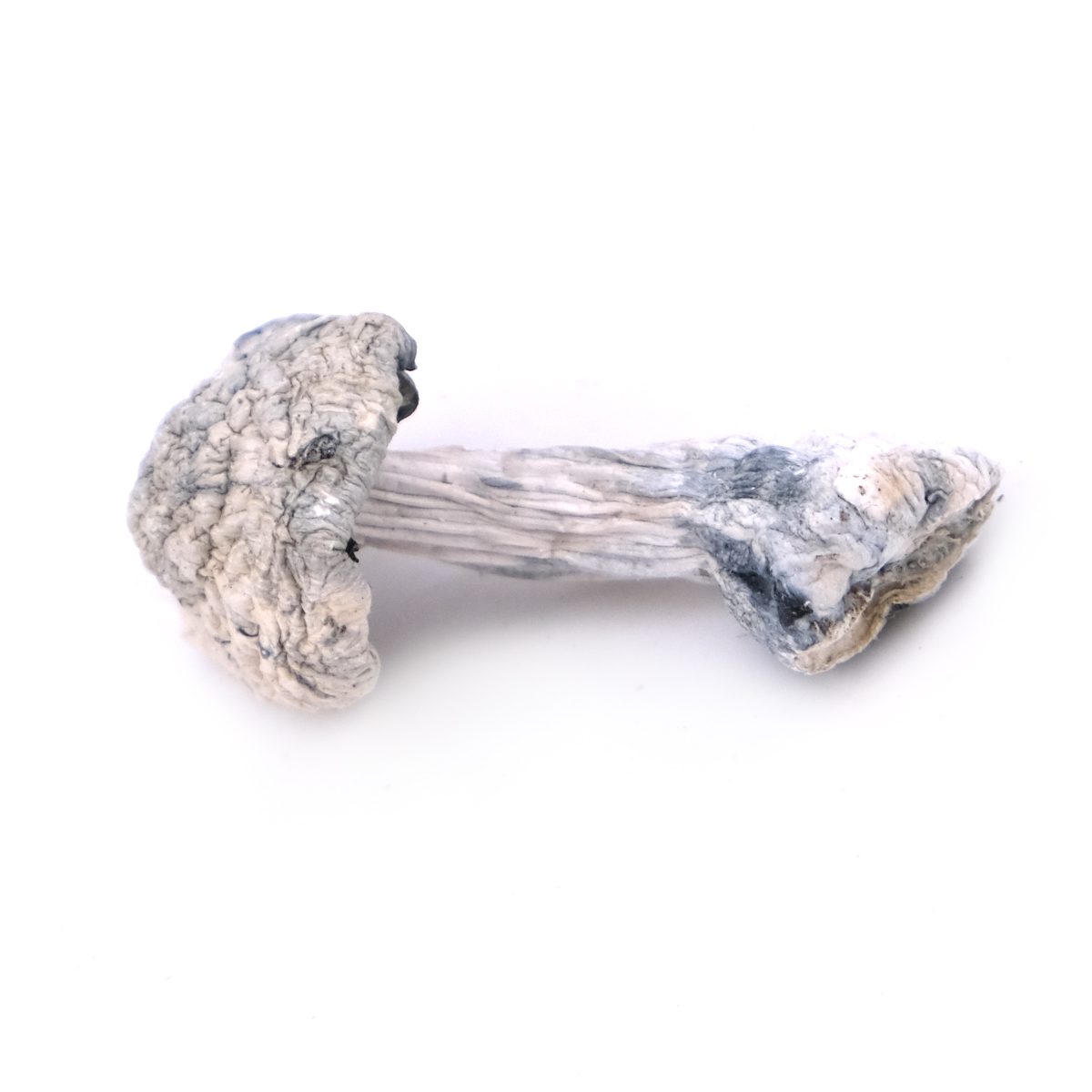
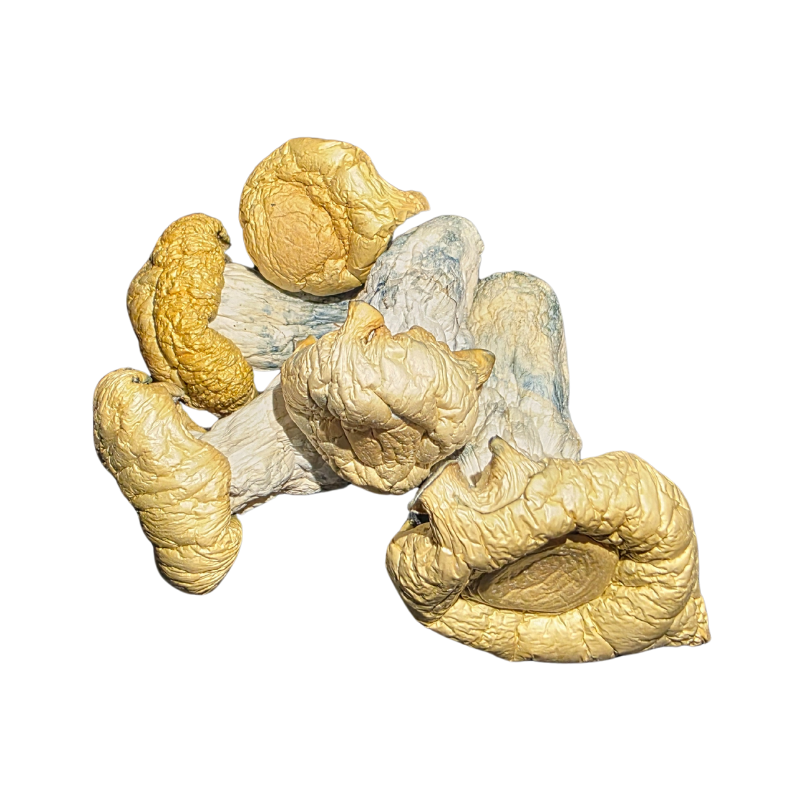
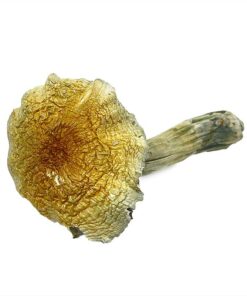
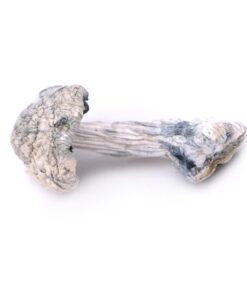
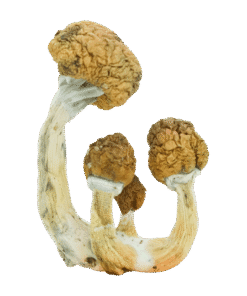
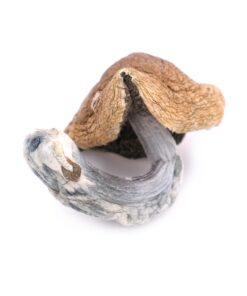
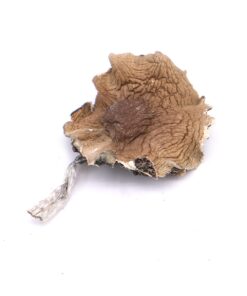
Descriptions of the Koh Samui mushroom can vary. The original
description associates it with slender stems, relatively small rounded caps,
and lighter coloration. However, these characteristics should be regarded as
reported descriptions rather than a definitive identification standard.
Individual Psilocybe cubensis specimens can display considerable
morphological variation. Genetics, maturity, environmental conditions, and
other biological factors can influence visible characteristics.
- Cap size and shape may differ between specimens.
- Stem length and thickness can vary.
- Coloration may change during development.
- Environmental conditions can affect visible morphology.
- Visual characteristics alone cannot confirm genetic identity.
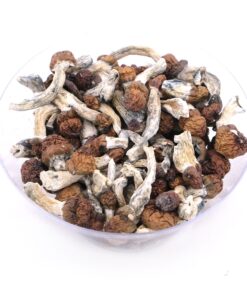
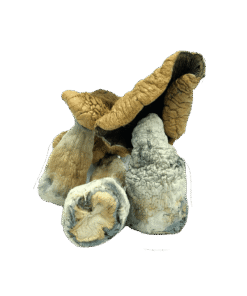
For this reason, an online photograph should not be treated as conclusive
evidence that a specimen belongs to a particular named variety.
Scientific Classification
The Koh Samui mushroom is associated with the species
Psilocybe cubensis. The variety name does not by itself establish a
separate scientific species.
For species-level information, consult the
NCBI Taxonomy database
.
Understanding the distinction between species taxonomy and community variety
names helps prevent informal terminology from being mistaken for formal
scientific classification.
What Research Tells Us
Scientific research generally investigates Psilocybe cubensis at the
species, genetic, taxonomic, or chemical level rather than treating every
community variety as an independently established scientific subject.
Research involving cultivated Psilocybe cubensis has nevertheless
identified variation in chemical composition among different cultivated
strains and between some individual fruiting bodies.
A recent peer-reviewed study examining cultivated strains measured several
tryptamine compounds and reported differences between samples.
The study is available through
PubMed
.
Such findings are useful context when reading about named varieties because a
community name should not automatically be interpreted as a standardized
chemical profile.
Identification Challenges
One of the most important limitations when researching the Koh Samui
mushroom is that visual appearance alone cannot reliably establish
genetic identity.
Different specimens can share similar physical characteristics, while the
same named variety may show variation. Precise scientific identification can
require molecular or laboratory approaches.
Peer-reviewed research has examined DNA-based methods for authenticating and
distinguishing Psilocybe specimens. Additional information is
available in this
peer-reviewed study on Psilocybe DNA authentication
.
This is why educational mushroom pages should distinguish reported morphology
from scientifically confirmed identification.
Related Mushroom Resources
If you’re exploring broader mushroom topics, these Evergreen Mushrooms
resources provide useful background on functional mushrooms and mushroom
education:
Functional Mushrooms Explained
Benefits of Adaptogenic Mushrooms
Mushroom Gummies for Focus
Mushroom Gummies for Cognitive Support
Mushroom Gummies for Daily Wellness
For additional mushroom information, visit the
Dried Mushrooms
category.
You can also explore the
Fresh Mushrooms
category for additional mushroom-related information.
Legal Considerations
The legal status of psilocybin-containing mushrooms varies between
jurisdictions. Regulations can differ between countries and between individual
states, provinces, or municipalities.
Anyone researching the Koh Samui mushroom should check the
current laws applicable to their own location rather than relying on rules
from another jurisdiction.
This article is provided for educational purposes and does not constitute legal,
medical, or professional mushroom-identification advice.
Koh Samui Mushroom FAQs
What is the Koh Samui mushroom?
The Koh Samui mushroom is a community-used name associated
with a named variety of Psilocybe cubensis.
Is Koh Samui a separate mushroom species?
No separate species is established simply by using the Koh Samui name. The
name is associated with Psilocybe cubensis at the species level.
What does the Koh Samui mushroom look like?
Descriptions vary between sources. The original description associates it with
slender stems, rounded caps, and relatively light coloration, but these traits
should not be treated as definitive identifiers.
Can a photograph identify a Koh Samui mushroom?
A photograph can show useful morphological information, but it cannot by itself
confirm genetic identity or establish that a specimen belongs to a particular
named variety.
Does research specifically focus on Koh Samui?
Most scientific research focuses on Psilocybe cubensis as a species
and on broader genetic, taxonomic, and chemical questions rather than treating
every community variety as a separate research subject.
Can different mushroom strains vary chemically?
Research on cultivated Psilocybe cubensis has reported differences in
chemical profiles between strains and variation between some individual
specimens.
Is the Koh Samui mushroom legal everywhere?
No. Laws concerning psilocybin-containing mushrooms vary by jurisdiction.
Current local laws should always be checked independently.
Final Thoughts
The Koh Samui mushroom is a community-associated variety name
connected with Psilocybe cubensis. Its reported characteristics can
provide useful context for educational research, but informal descriptions
should not be confused with formal scientific identification.
The best way to evaluate information about named mushroom varieties is to
distinguish community terminology from scientific taxonomy, recognize the
limitations of visual identification, and consult reliable scientific
literature when evaluating claims about genetics or chemistry.
Be the first to review “Koh Samui Magic Mushrooms”