
Leucistic Burma Mushroom: 6 Key Traits & Mycology Insights
The Leucistic Burma mushroom is a named variety associated
with Psilocybe cubensis and discussed within mushroom and mycology
communities. The term combines the Burma variety name with the word
“leucistic,” which generally refers to reduced pigmentation. This guide
examines the terminology, reported appearance, classification, scientific
context, and limitations involved in identifying named mushroom varieties.
Explore This Guide
What Does Leucistic Burma Mean?
The name Leucistic Burma mushroom refers to a named variety
associated with Psilocybe cubensis. The “Burma” portion identifies
the community variety name, while “leucistic” describes a pigmentation-related
characteristic used in mushroom terminology.
Leucism is different from complete albinism. A leucistic organism may show
reduced pigmentation while still retaining some pigmentation or coloration.
The exact appearance can vary between individual specimens.
Because these names are primarily used within mushroom communities, the term
should not be confused with a formally recognized separate species.
Background and Naming
The Leucistic Burma mushroom belongs to the broader group of
named Psilocybe cubensis varieties discussed by mushroom enthusiasts
and mycology communities.
Named varieties can be distinguished through reported history, lineage,
observable morphology, or community terminology. However, those names do not
necessarily correspond to formal scientific taxonomic categories.
This distinction becomes particularly important when researching named
mushrooms online because descriptions can differ between sources and may not
have been established through standardized scientific studies.
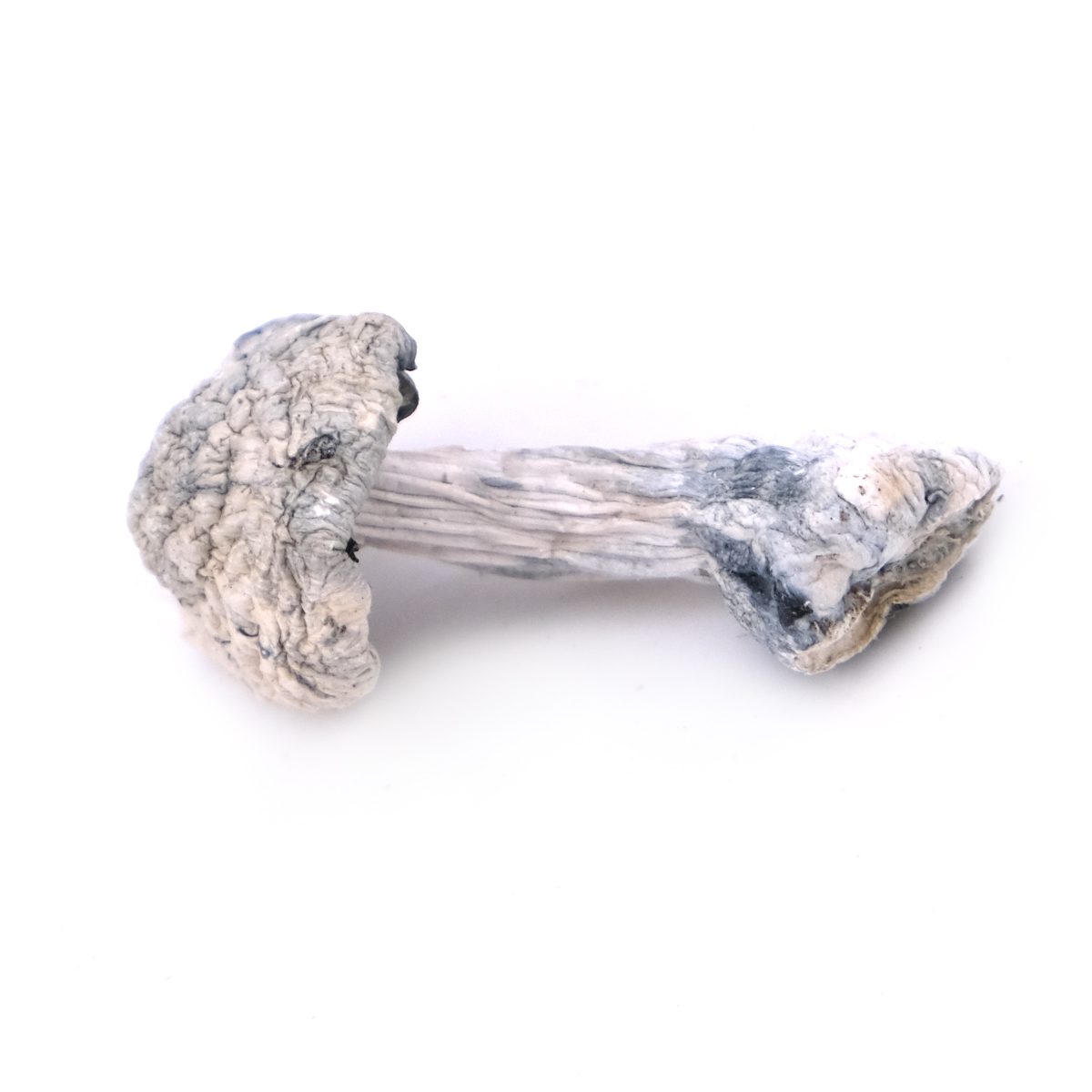
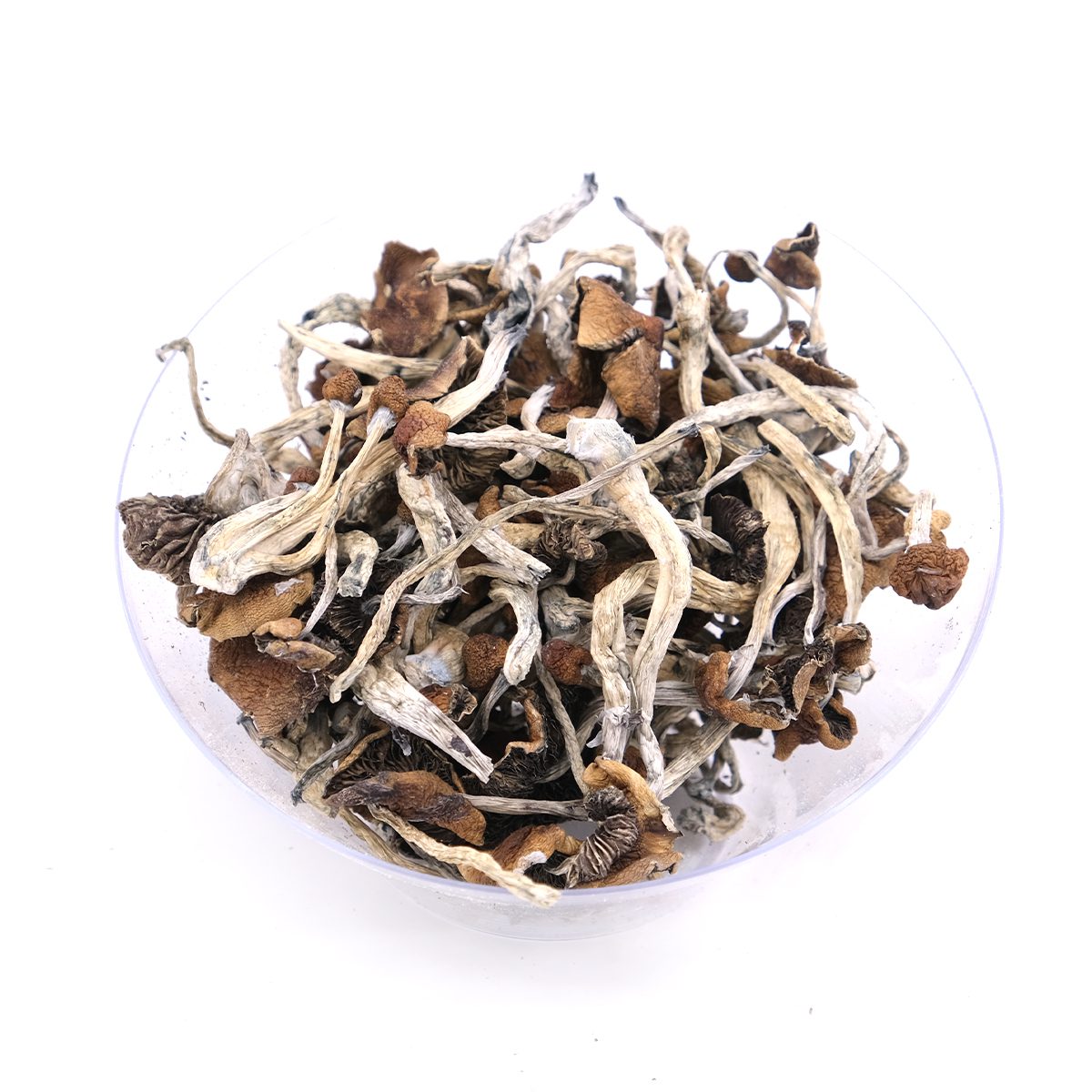
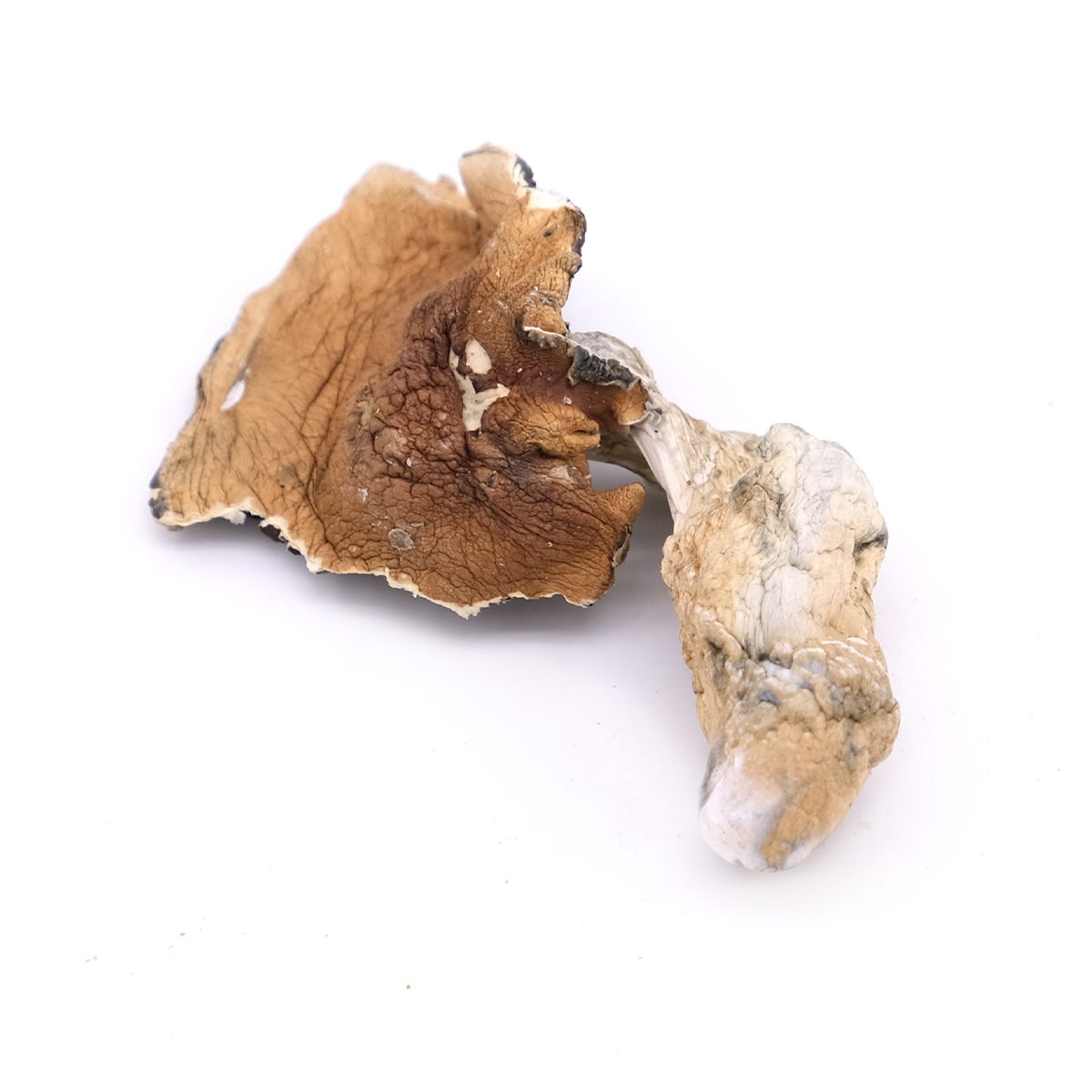
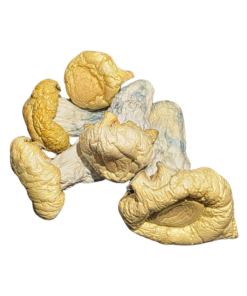
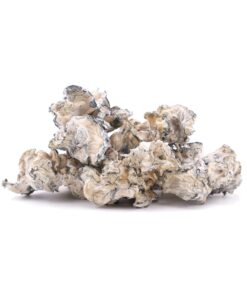
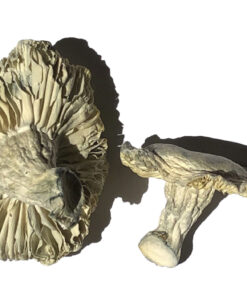
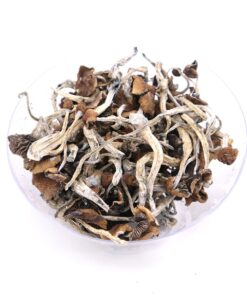
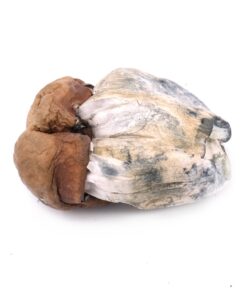
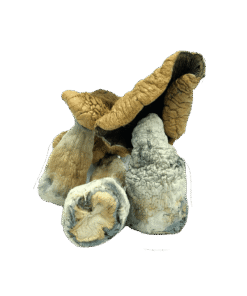
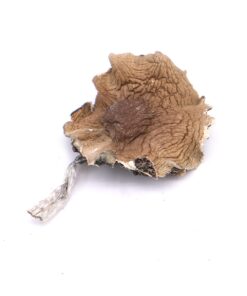
Reported Characteristics of the Leucistic Burma Mushroom
The defining terminology associated with the Leucistic Burma
mushroom relates to reduced pigmentation. However, individual
specimens can differ considerably in their observable characteristics.
General characteristics reported for named Psilocybe cubensis
varieties may include differences in cap shape, stem structure, coloration,
and overall morphology.
- Reduced pigmentation may produce a paler appearance.
- Individual specimens can differ in coloration.
- Cap shape and size may vary.
- Stem characteristics can differ between specimens.
- Environmental conditions can influence visible morphology.
These characteristics should be regarded as descriptive rather than as a
definitive identification checklist. A photograph or visual description alone
cannot establish the genetic identity of a particular mushroom.
Scientific Classification
The Leucistic Burma mushroom is associated with
Psilocybe cubensis. The variety name is community terminology rather
than evidence that it represents a separate scientific species.
For an authoritative taxonomic reference, consult the
NCBI Taxonomy database
.
Separating scientific classification from informal variety names helps avoid
confusing a named line with a formally established species.
Research Context
Scientific research involving Psilocybe cubensis generally focuses on
the species as a whole, including taxonomy, genetics, chemistry, and the
compounds associated with the species. Individual community variety names
typically have much less formal research available.
Research has demonstrated that cultivated Psilocybe cubensis material
can show variation in chemical composition between different strains and even
between individual fruiting bodies.
For example, a recent peer-reviewed study investigated chemical differences
among cultivated strains and measured several tryptamine compounds.
You can review the study through
PubMed
.
This research provides useful context but should not be interpreted as
evidence that every named variety has a standardized chemical profile.
Identification Considerations
Identifying the Leucistic Burma mushroom requires more than
matching a photograph to an online description. Morphological characteristics
can overlap between varieties, while environmental factors can influence
appearance.
Genetic or molecular methods can provide stronger evidence when precise
identification is necessary. Research into molecular identification has
highlighted the value of DNA-based approaches for distinguishing
Psilocybe specimens.
Additional scientific background is available through this
peer-reviewed study on Psilocybe DNA authentication
.
For this reason, online photographs should be treated as educational
references rather than definitive proof of a specimen’s identity.
Related Mushroom Resources
If you are researching mushrooms more broadly, Evergreen Mushrooms has several
educational resources covering functional mushrooms, gummies, ingredients,
and related topics.
Functional Mushrooms Explained
Mushroom Gummies Benefits
Functional Mushroom Gummies for Beginners
Functional Mushroom Gummies Ingredients
Are Functional Mushroom Gummies Worth It?
Functional Mushroom Gummies Side Effects
Microdosing Guide
For additional mushroom-related information, explore the
Dried Mushrooms
category.
Legal Considerations
The legal status of psilocybin-containing mushrooms differs between
jurisdictions. Laws may vary at the national, state, provincial, or local
level and can change over time.
Anyone researching the Leucistic Burma mushroom should consult
current laws applicable to their location rather than assuming that rules in
another jurisdiction apply to them.
This article is intended for educational purposes and does not constitute
legal, medical, or professional mushroom-identification advice.
Frequently Asked Questions
What is the Leucistic Burma mushroom?
The Leucistic Burma mushroom is a named variety associated
with Psilocybe cubensis. The term “leucistic” refers to reduced
pigmentation used to describe its reported appearance.
What does leucistic mean in mushrooms?
Leucistic generally refers to reduced pigmentation. A leucistic specimen may
appear considerably paler while still retaining some pigmentation.
Is Leucistic Burma a separate species?
No separate species is established simply by using the Leucistic Burma name.
It is associated with Psilocybe cubensis, while the variety name is
used within mushroom communities.
Does every Leucistic Burma mushroom look identical?
No. Individual mushrooms can vary in morphology and coloration. Genetics,
development, and environmental conditions can all influence appearance.
Can a photograph confirm a mushroom’s variety?
No. A photograph can provide useful visual information but cannot by itself
confirm genetic identity or establish a definitive variety classification.
What does scientific research study?
Scientific research generally focuses on Psilocybe cubensis and
related biological, genetic, and chemical questions rather than treating
every community variety as a separate scientific subject.
Is the Leucistic Burma mushroom legal everywhere?
No. Laws concerning psilocybin-containing mushrooms vary by jurisdiction.
Always check the current rules applicable to your location.
Conclusion
The Leucistic Burma mushroom is a community-associated
Psilocybe cubensis variety whose name reflects both its Burma
association and its reported reduced pigmentation. As with other named
varieties, descriptions can vary and should not be treated as formal
scientific identification.
The strongest approach to researching this variety is to distinguish community
terminology from established taxonomy, consider the limitations of visual
identification, and consult reliable scientific sources when evaluating claims
about morphology, genetics, or chemistry.
Be the first to review “Leucistic Burma Magic Mushrooms”