
Blue Meanie Mushroom: 7 Intriguing Facts & Essential Guide
The Blue Meanie Mushroom is a common name associated with
certain psilocybin-containing mushrooms and is discussed within mycology
communities because of its distinctive terminology, reported appearance, and
cultivation history. Importantly, the name can refer to different mushrooms
depending on the source, making scientific identification especially
important.
Blue Meanie Mushroom Guide
What Is the Blue Meanie Mushroom?
The Blue Meanie Mushroom is a common name used in
discussions of certain psilocybin-containing mushrooms. Unlike a scientific
species name, the term does not provide a definitive taxonomic identification.
One reason the name can cause confusion is that “Blue Meanie” has been used in
different contexts for different mushrooms or varieties. Consequently,
scientific names are more useful than common names when attempting to
distinguish one mushroom from another.
This distinction is particularly important when information about morphology,
geographic origin, or chemical composition is being compared across sources.
History and Background
The Blue Meanie Mushroom has become a familiar term within
mushroom enthusiast and mycology communities. Its history is closely connected
to the use of colorful common names when discussing distinctive mushroom
characteristics.
The term is also associated with bluish discoloration that can occur in some
psilocybin-containing mushrooms after physical handling. However, coloration
alone should not be treated as proof of species identity.
Common mushroom names can develop organically within different communities,
which helps explain why one name may have more than one interpretation.
Physical Characteristics
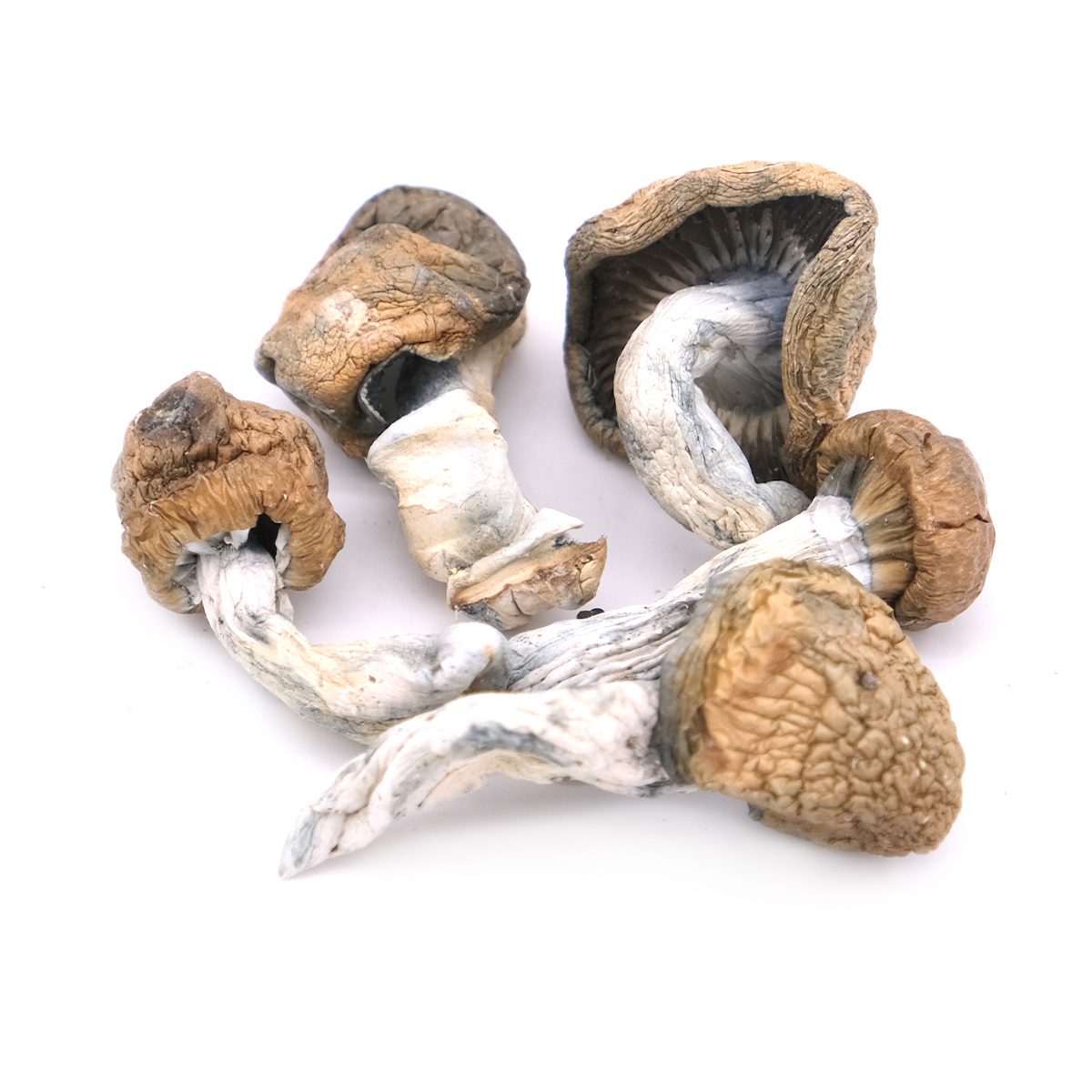
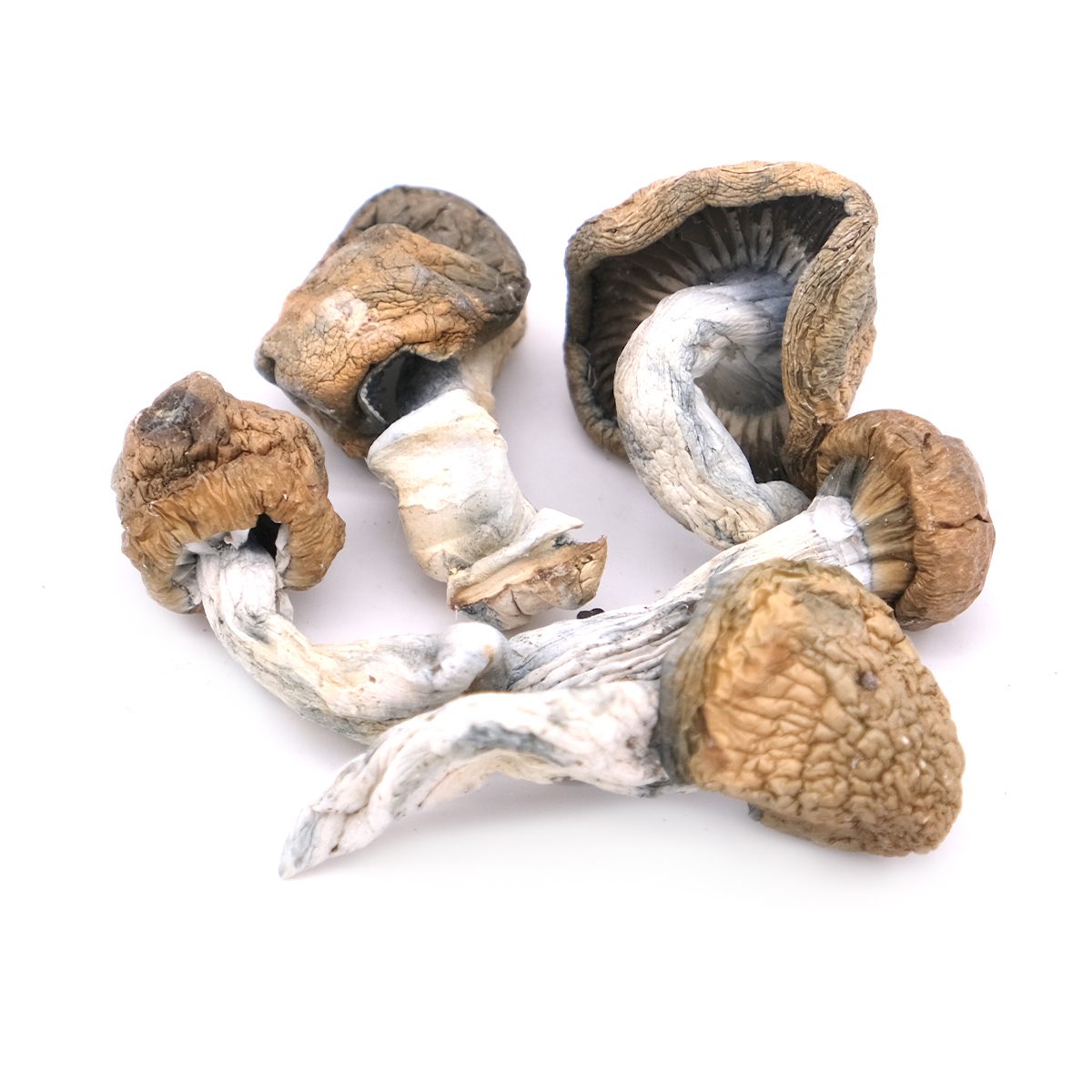
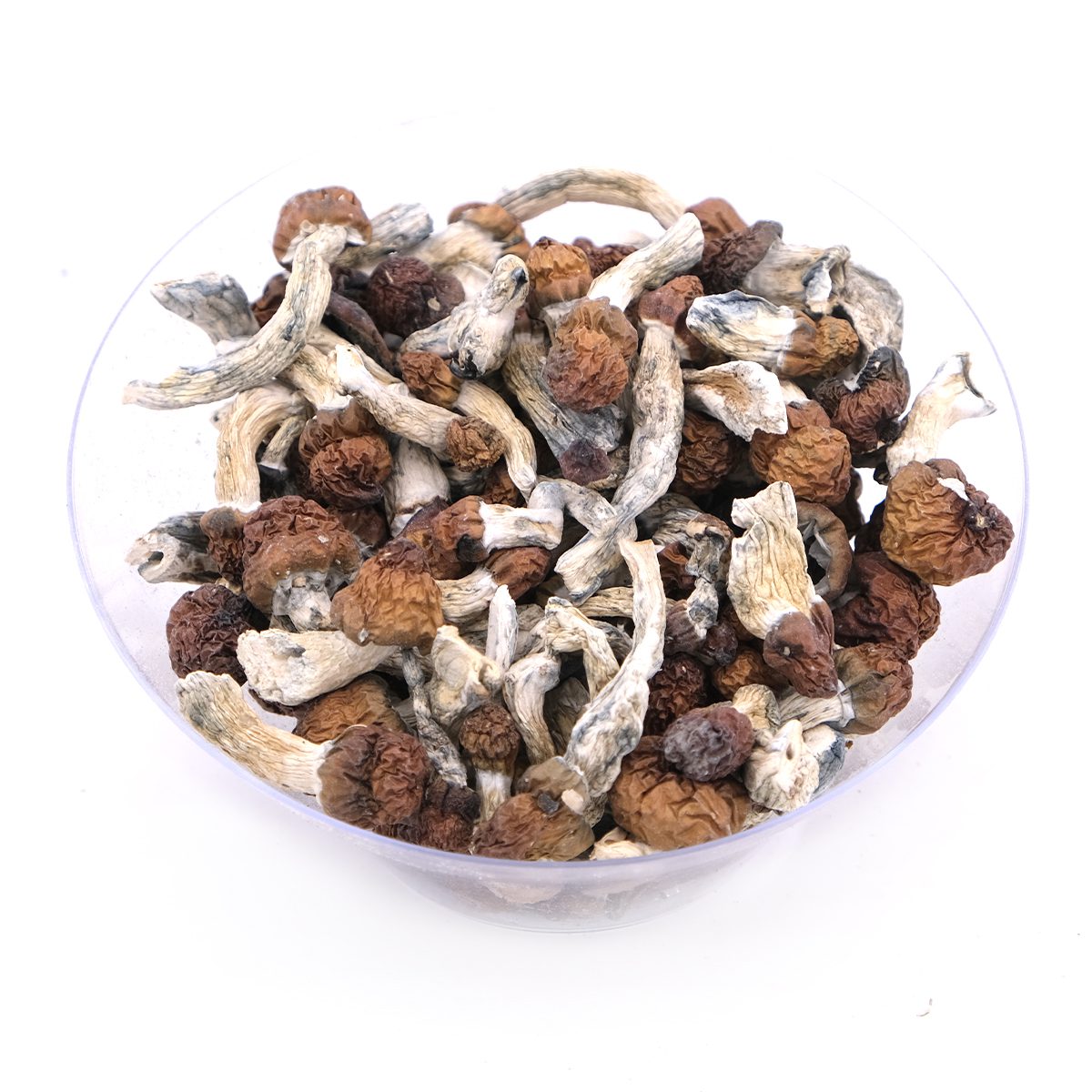
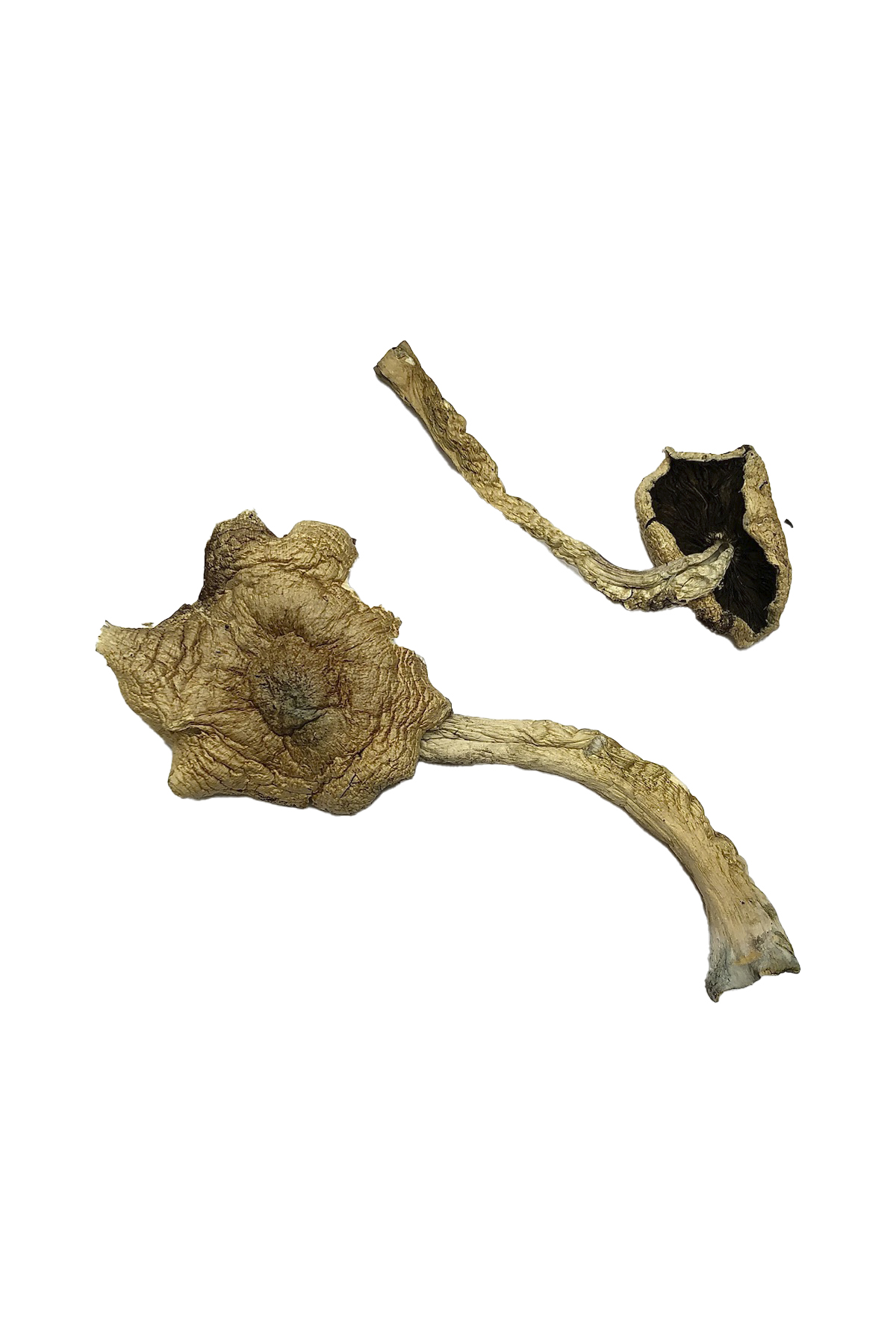
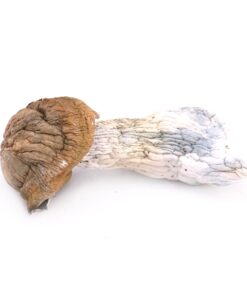
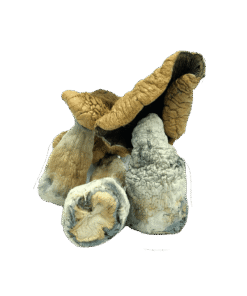
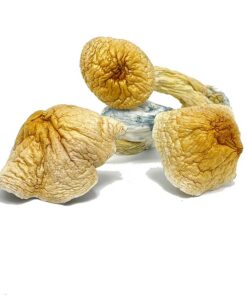
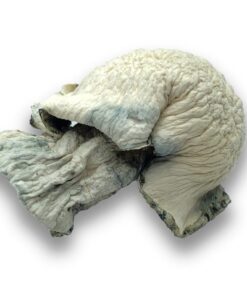
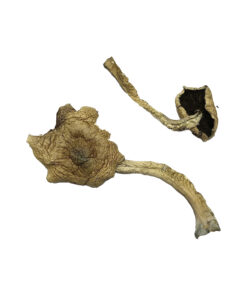
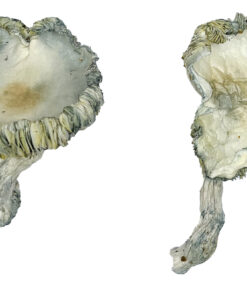
Descriptions of the Blue Meanie Mushroom vary because the
common name can be associated with different mushrooms. Reported descriptions
may include features such as cap coloration, stem coloration, overall size,
and bluish discoloration.
- Caps may range from pale to brown or golden shades.
- Stems may appear pale or whitish.
- Individual specimens can vary considerably in size.
- Bluish discoloration may occur in some specimens following handling.
- Environmental conditions can influence visible morphology.
These characteristics are descriptive rather than definitive. Similar
features can occur across different mushroom species and varieties.
Taxonomy and Classification
The term Blue Meanie Mushroom is a common name rather than a
formal scientific classification. Because the name can be applied differently
depending on the source, it should not be used alone to establish taxonomic
identity.
When studying mushroom classification, scientific names provide a more precise
way to distinguish species. The
NCBI Taxonomy database
can be consulted for formal biological classification information.
This distinction between common names and scientific names is useful when
comparing mushroom descriptions from different sources.
Scientific Research
Scientific research generally focuses on identified species and compounds
rather than relying on informal common names such as Blue Meanie. Research
concerning psilocybin-containing mushrooms can examine chemistry,
pharmacology, genetics, taxonomy, and other biological characteristics.
Findings about one identified species should not automatically be attributed to
every mushroom that happens to share the Blue Meanie name.
For access to peer-reviewed biomedical literature, readers can search
PubMed
for relevant scientific publications.
Identification Considerations
Identifying a Blue Meanie Mushroom from a photograph or
common-name description can be especially challenging because the terminology
is not necessarily specific to one scientific species.
Color, cap shape, stem characteristics, and bruising patterns may provide
useful descriptive information, but these features alone cannot reliably
establish a mushroom’s exact identity.
Anyone examining an unknown wild mushroom should exercise caution. Similar
visual characteristics can occur in unrelated species, and common names should
not replace appropriate scientific identification.
Legal and Safety Considerations
The legal status of psilocybin-containing mushrooms varies between countries
and jurisdictions. Regulations may also change over time.
For readers researching Colorado regulations, the
Psilocybin Mushrooms in Colorado Compliance Guide
provides additional jurisdiction-specific educational information.
Always check current regulations applicable to your own location. The use of a
common name such as Blue Meanie does not determine the legal classification of
a particular mushroom.
Further Mushroom Reading
For broader information about functional mushroom terminology, see
Functional Mushrooms Explained
.
For additional information about mushroom-related ingredients and terminology,
see
Functional Mushroom Gummies Ingredients
.
You can also explore
Benefits of Adaptogenic Mushrooms
for broader educational material concerning functional and adaptogenic
mushrooms.
Frequently Asked Questions About the Blue Meanie Mushroom
What is the Blue Meanie Mushroom?
The Blue Meanie Mushroom is a common name used in discussions
of certain psilocybin-containing mushrooms. The term does not by itself
identify one scientifically defined species.
Is Blue Meanie a scientific species name?
No. Blue Meanie is a common name. Scientific identification should rely on the
appropriate taxonomic name rather than the common name alone.
Why is the Blue Meanie Mushroom associated with blue coloration?
The name is commonly associated with bluish discoloration that can occur in
some mushrooms after handling. However, discoloration alone cannot establish
species identity.
Can different mushrooms be called Blue Meanie?
Yes. The term has been used in different contexts, which is one reason
scientific names are preferable when precise identification is important.
Can appearance confirm a Blue Meanie Mushroom?
No. Visible characteristics can overlap between different mushrooms and cannot
independently establish taxonomic or genetic identity.
What does scientific research focus on?
Scientific research generally focuses on identified species, compounds,
chemistry, genetics, pharmacology, and related subjects rather than informal
common names.
Does the legal status vary by location?
Yes. Laws concerning psilocybin-containing mushrooms differ between
jurisdictions and can change over time.
Conclusion
The Blue Meanie Mushroom is a distinctive common name within
mushroom communities, but its meaning can vary depending on the source.
Understanding this naming ambiguity is essential when researching its
appearance, taxonomy, history, or scientific context.
For accurate research, prioritize scientific identification and authoritative
sources over common-name terminology, particularly when comparing information
about different mushroom species or varieties.
Be the first to review “Blue Meanie Magic Mushrooms”