
Enigma Mushroom: 7 Remarkable Facts & Essential Guide
Enigma mushroom is a community-used name associated with a
distinctive variety of Psilocybe cubensis. It has attracted attention
within mushroom communities because of its unusual morphology and reported
development characteristics. As with other informal variety names, descriptions
can differ between sources and individual specimens.
Enigma Mushroom Guide
What Is the Enigma Mushroom?
The Enigma mushroom is an informal variety name associated
with Psilocybe cubensis. Unlike a formal species designation, the
name is primarily used to distinguish a particular community-recognized
morphology or lineage.
Named mushroom varieties can be discussed extensively within mycology
communities without being formally recognized as separate species. This makes
it important to distinguish community terminology from established scientific
taxonomy.
Background and Naming
The background of the Enigma mushroom fits into the wider
practice of assigning names to unusual or recognizable mushroom varieties.
Community names may refer to reported lineage, morphology, cultivation history,
or other characteristics used by enthusiasts to distinguish one variety from
another.
Because informal naming conventions are not always standardized, information
about a named variety can vary between sources. A community description should
therefore be treated as descriptive rather than automatically representing a
formal scientific classification.
Morphology and Appearance
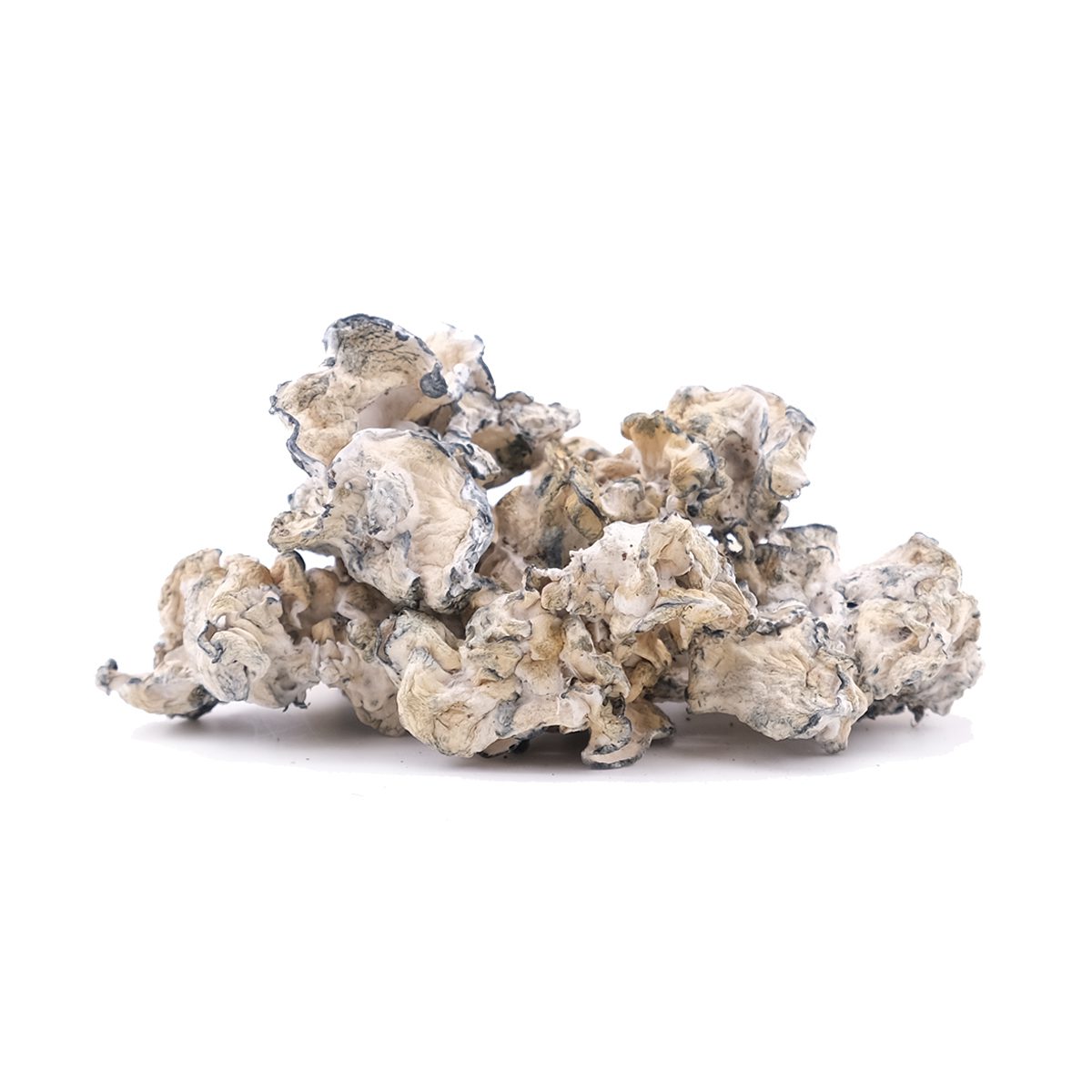
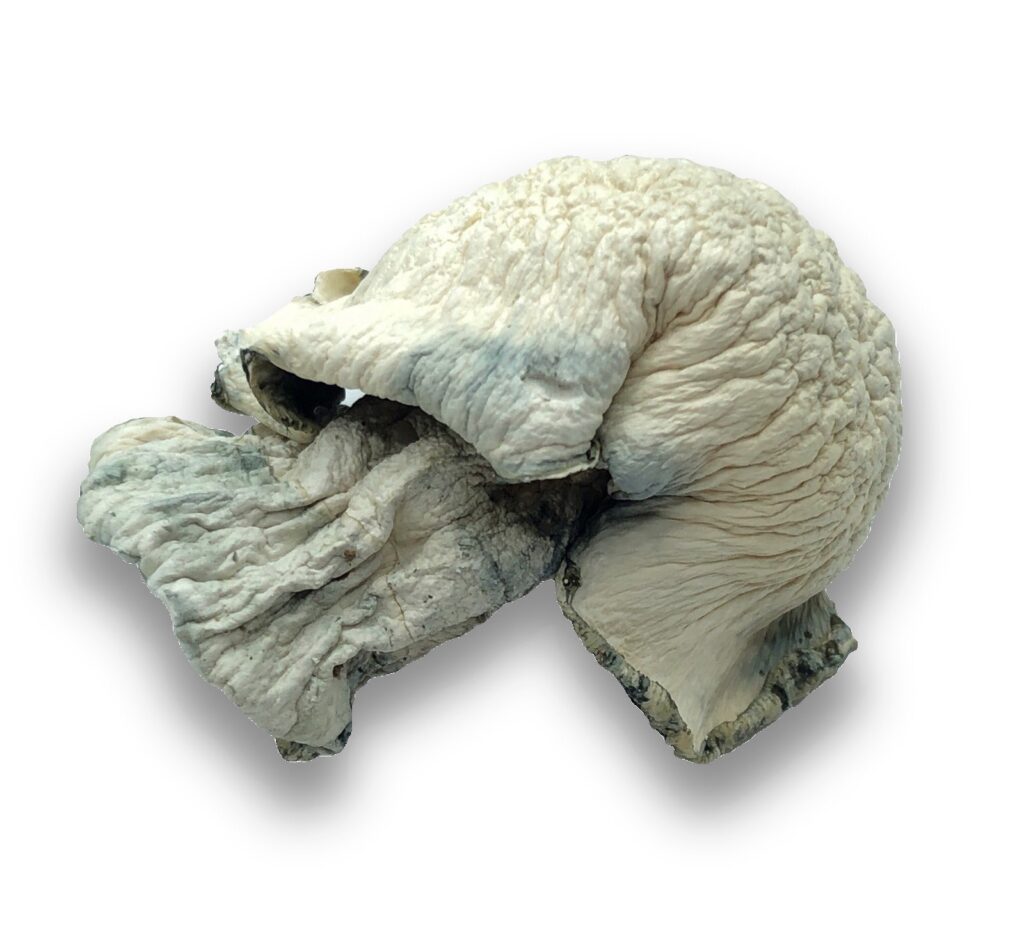
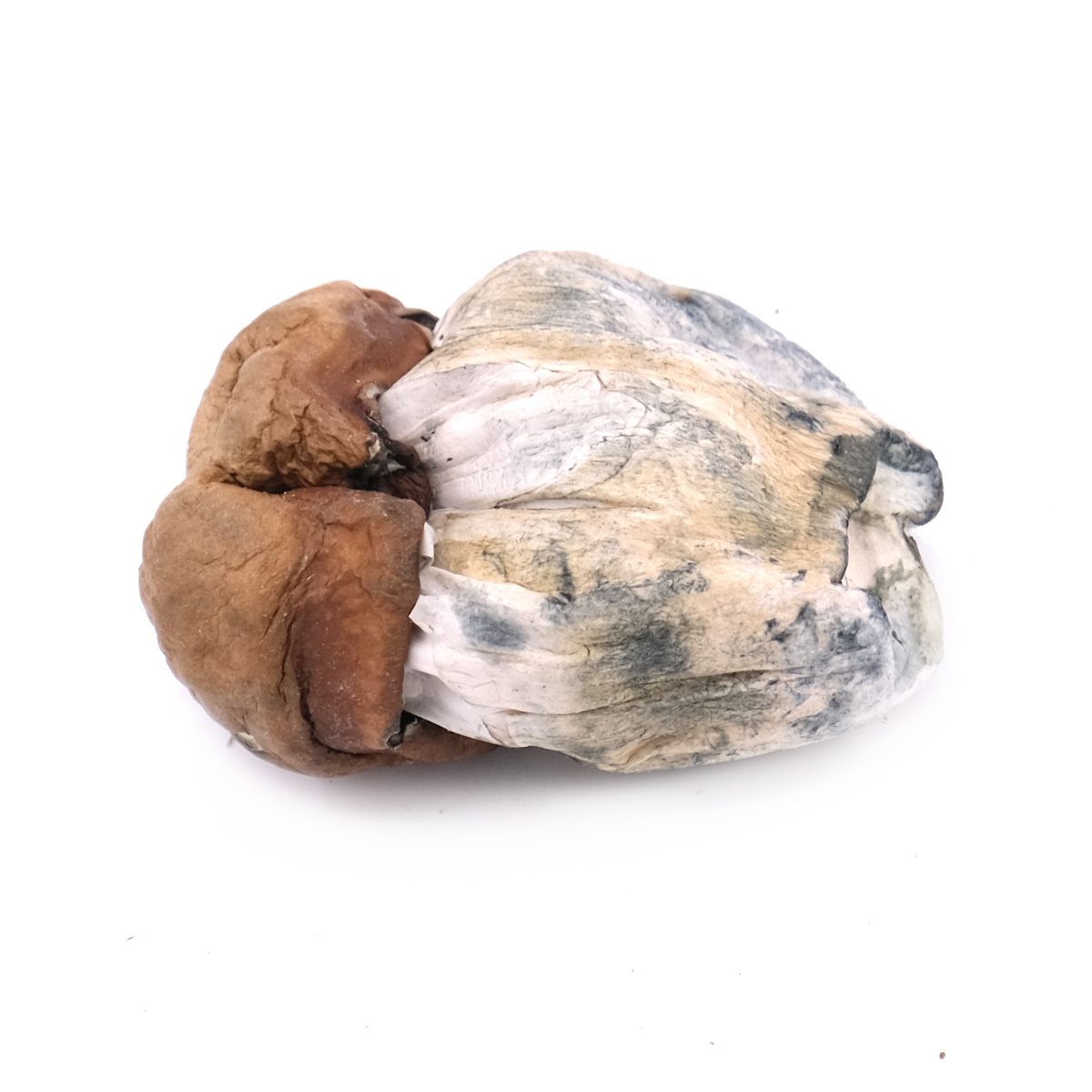
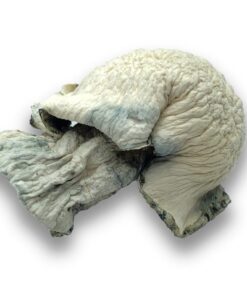
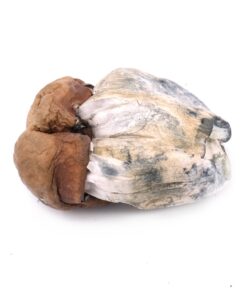
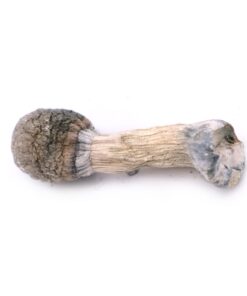
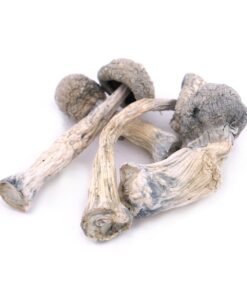
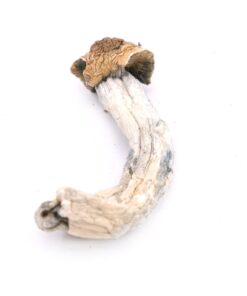
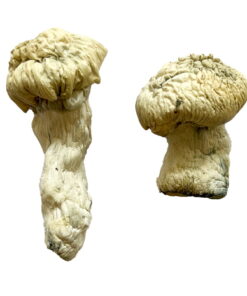
The Enigma mushroom is notable for its unusual reported
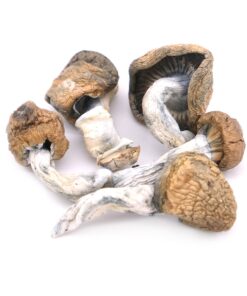
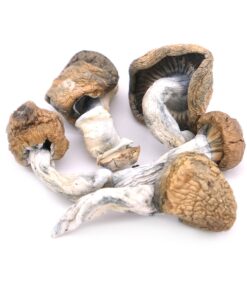
morphology. Unlike the familiar cap-and-stem appearance commonly associated
with many Psilocybe cubensis specimens, Enigma is often discussed
because of its unusual growth form.
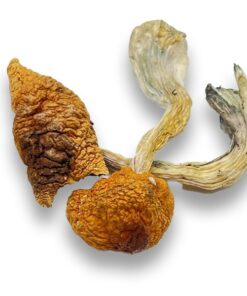
Reported characteristics can include irregular or convoluted structures rather
than a consistently defined conventional cap. The exact appearance can vary
between specimens and according to environmental and genetic factors.
- Unusual overall growth structure.
- Irregular surface morphology.
- Variable coloration between specimens.
- Morphology that can change during development.
- Characteristics influenced by genetics and environmental conditions.
These observations describe reported morphology and should not be treated as a
definitive method for establishing genetic identity.
Taxonomy and Classification
The Enigma mushroom is associated with
Psilocybe cubensis. Enigma is therefore best understood as an
informal variety designation rather than the scientific name of a separate
species.
For formal taxonomic information concerning Psilocybe cubensis, the
NCBI Taxonomy database
provides a useful scientific reference.
Understanding this distinction helps prevent informal mushroom terminology
from being confused with established biological classification.
Scientific Research and Enigma
Scientific research generally examines Psilocybe cubensis at the
species level rather than treating every community-named variety as a
separately established scientific taxon.
Research involving psilocybin and Psilocybe species covers areas
including chemistry, pharmacology, genetics, taxonomy, and potential
therapeutic applications. However, evidence concerning psilocybin or
Psilocybe cubensis broadly should not automatically be presented as
evidence specific to the Enigma variety.
Readers looking for peer-reviewed scientific literature can search the
PubMed database
maintained by the U.S. National Library of Medicine.
Identification Limitations
The unusual appearance of the Enigma mushroom can make it
interesting from a morphological perspective, but appearance alone does not
establish genetic identity.
Mushroom morphology can be affected by genetics, maturity, environmental
conditions, and development. Photographs can therefore be useful for
description without necessarily providing definitive identification.
Where precise scientific identification is necessary, laboratory-based
methods can provide information that visual comparison cannot establish on its
own.
Related Mushroom Resources
Evergreen Mushrooms also contains educational resources covering broader
mushroom topics. The following links provide a mixture of microdosing,
functional-mushroom, and general educational material:
What Are Mushroom Microdose Gummies
Microdose Gummies vs Capsules
How Long Microdose Gummies Last
Functional Mushrooms Explained
Benefits of Adaptogenic Mushrooms
For broader mushroom information, you can also explore the
Dried Mushrooms
category and the
Fresh Mushrooms
category.
Legal and Safety Considerations
The legal status of psilocybin-containing mushrooms varies substantially
between jurisdictions. Regulations may differ between countries and can also
vary at state, provincial, or municipal levels.
Anyone researching the Enigma mushroom should consult the
current laws applicable to their own location rather than relying on
information from another jurisdiction.
Mushroom identification also requires caution. Wild mushrooms can resemble one
another, and an online variety name should not be treated as a substitute for
professional identification.
Frequently Asked Questions About the Enigma Mushroom
What is the Enigma mushroom?
The Enigma mushroom is a community-used name associated with
a distinctive variety of Psilocybe cubensis.
Why is the Enigma mushroom considered unusual?
It is commonly discussed because of its unusual reported morphology, which can
differ substantially from the conventional cap-and-stem appearance associated
with many Psilocybe cubensis specimens.
Is Enigma a separate species?
No. Enigma is associated with Psilocybe cubensis and is better
understood as a community variety designation rather than a separate scientific
species.
Can the Enigma mushroom be identified from a photograph?
A photograph can help document visible characteristics, but it cannot
definitively establish genetic identity. Morphology can vary according to
genetics and environmental conditions.
Does scientific research specifically study Enigma?
Scientific research generally focuses on Psilocybe cubensis,
psilocybin, genetics, chemistry, and related subjects rather than treating
every community-named variety as a separate scientific research category.
Why do descriptions of Enigma differ online?
Informal variety names are not always standardized, and individual specimens
can differ because of genetics, development, and environmental conditions.
Is the Enigma mushroom legal everywhere?
No. Laws concerning psilocybin-containing mushrooms differ by jurisdiction.
Current local regulations should always be checked.
Conclusion
The Enigma mushroom is a distinctive community-named variety
associated with Psilocybe cubensis. Its unusual reported morphology
makes it particularly interesting from an educational and mycological
perspective.
When researching Enigma or other named mushroom varieties, it is important to
separate community terminology from formal taxonomy and to recognize the
limitations of identifying genetic lineages from appearance alone. Reliable
scientific sources provide the strongest foundation for understanding
Psilocybe taxonomy, chemistry, and research.
Be the first to review “Enigma Magic Mushrooms”