
Golden Teacher Mushroom: 8 Remarkable Facts & Essential Guide
Golden Teacher mushroom is a widely discussed named variety
associated with Psilocybe cubensis. It is recognized in mushroom
communities for its distinctive name, reported morphology, and long-standing
presence in mycology discussions. This educational guide examines the
terminology, background, appearance, classification, scientific context, and
identification limitations associated with the variety.
Golden Teacher Mushroom Guide
What Is the Golden Teacher Mushroom?
The Golden Teacher mushroom is a community-used name for a
named variety associated with Psilocybe cubensis. Like other named
varieties, it is generally discussed according to reported characteristics,
history, and community terminology rather than as a separate scientific
species.
The name itself should therefore be distinguished from formal taxonomy.
Psilocybe cubensis is the species-level classification, while
“Golden Teacher” is used as a variety name within mushroom communities.
Descriptions can vary between sources and individual specimens. This makes it
important to distinguish commonly reported traits from characteristics that
have been scientifically established.
History and Background
The Golden Teacher mushroom has become one of the more
recognizable names associated with Psilocybe cubensis. Its history is
primarily documented through mushroom communities and cultivation literature,
rather than through a separate formal taxonomic classification.
Named varieties can acquire distinctive identities through community use,
reported lineage histories, geographic associations, or observable
morphological traits. Those informal distinctions do not necessarily represent
genetically standardized scientific categories.
When researching Golden Teacher or another named variety, it is therefore
useful to compare community descriptions with reliable species-level
scientific information.
Reported Appearance
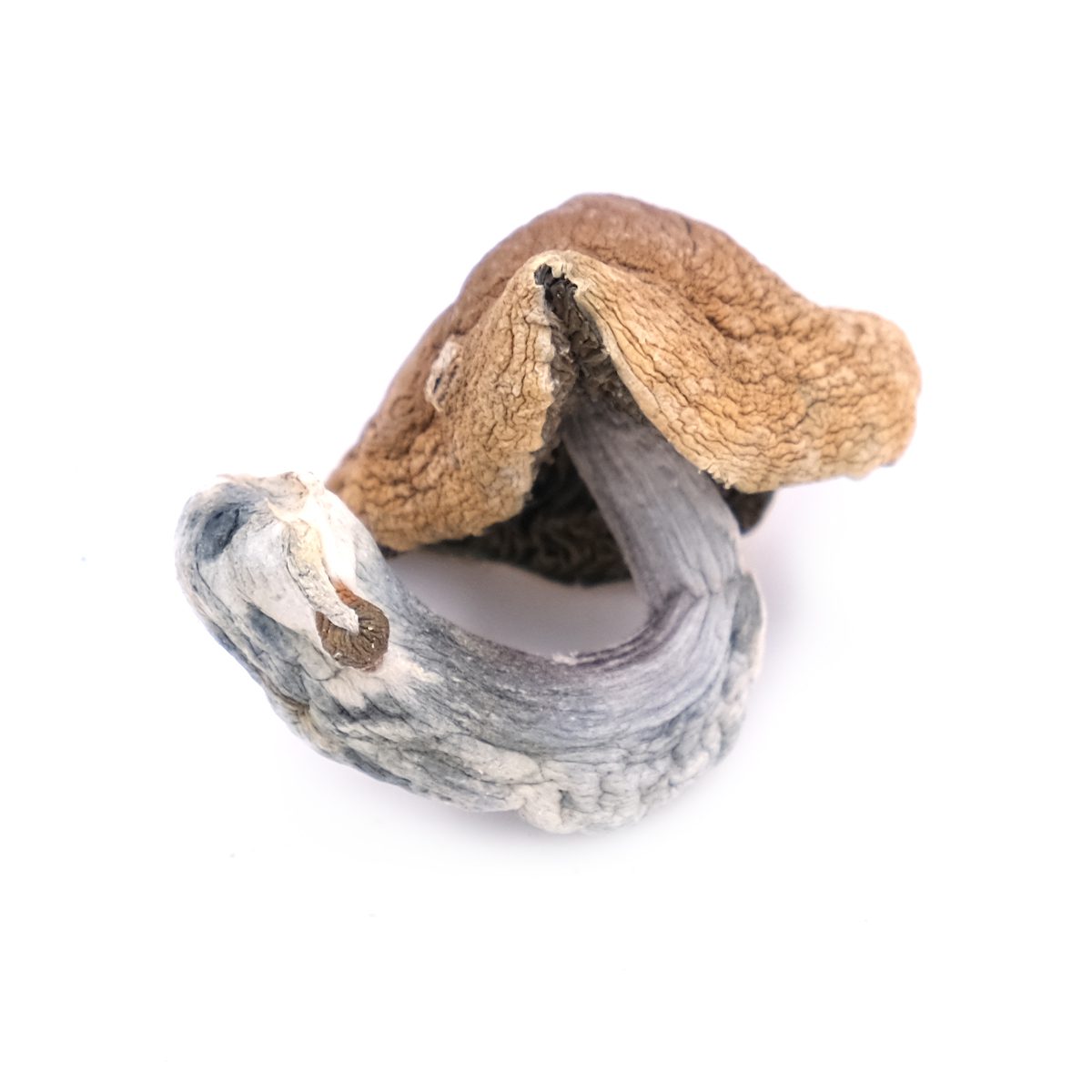
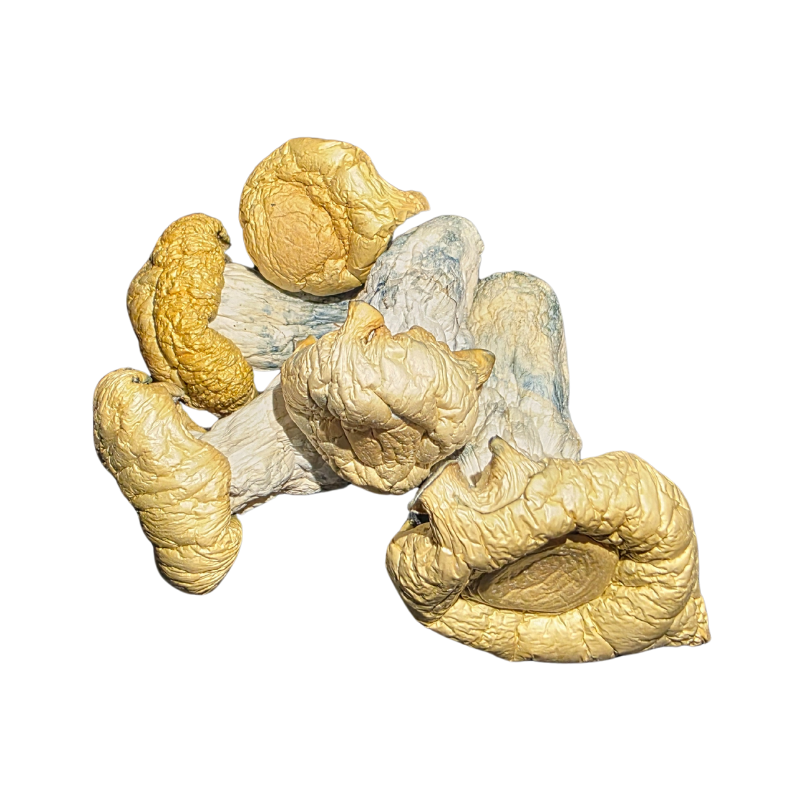
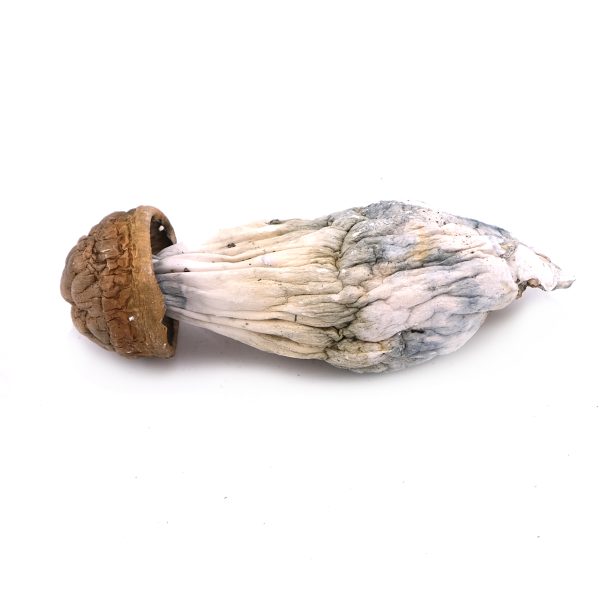
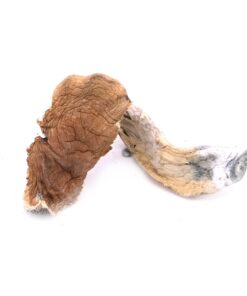
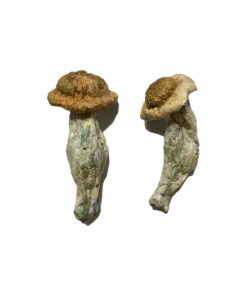
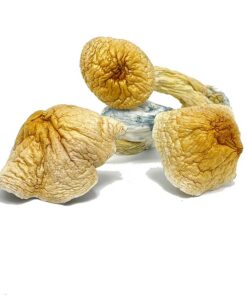
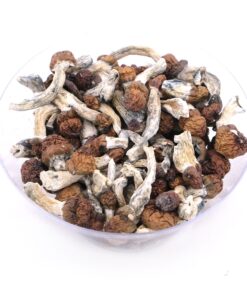
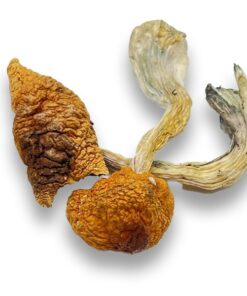
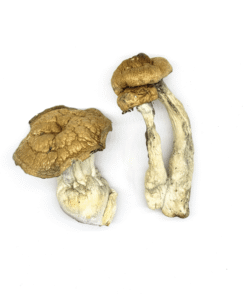
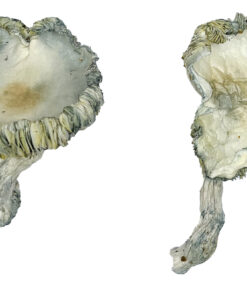
The Golden Teacher mushroom is commonly described in terms of
its cap coloration, stem structure, and overall morphology. However, visible
characteristics may change according to maturity, genetics, and environmental
conditions.
- Caps may display golden or yellowish-brown coloration.
- Caps can change shape as specimens mature.
- Stems may appear relatively elongated.
- Individual specimens can differ in size and proportions.
- Environmental conditions can influence visible morphology.
These descriptions are useful for understanding how the variety is commonly
discussed, but they should not be treated as a definitive identification
checklist.
Taxonomy and Classification
The Golden Teacher mushroom is associated with
Psilocybe cubensis. The variety name does not establish Golden
Teacher as a separate species.
For species-level taxonomic information, consult the
NCBI Taxonomy database
.
This distinction between formal taxonomy and informal variety terminology is
important because online mushroom resources sometimes use “strain,” “variety,”
and “species” interchangeably even though these terms do not necessarily mean
the same thing scientifically.
Scientific Research Context
Scientific research generally focuses on Psilocybe cubensis,
psilocybin, related compounds, genetics, taxonomy, and broader biological
questions rather than treating every named variety as a separately established
scientific subject.
Research involving cultivated Psilocybe cubensis has found that
chemical composition can vary between samples. Such findings are relevant when
considering claims about named varieties, but they do not establish a fixed
chemical profile for Golden Teacher specifically.
Peer-reviewed research examining cultivated strains and their chemical
composition is available through
PubMed
.
The broader scientific literature should therefore be interpreted carefully:
research about the species does not automatically constitute research about
every individual community variety.
Identification Limitations
One of the most important considerations when researching the
Golden Teacher mushroom is that visual appearance alone
cannot reliably establish genetic identity.
Different Psilocybe cubensis varieties can share similar physical
features, while specimens carrying the same community name can also display
variation. Photographs therefore provide descriptive information rather than
definitive genetic confirmation.
Molecular techniques can provide stronger evidence when precise scientific
identification is required. Research into DNA-based authentication of
Psilocybe specimens provides additional scientific context through
this peer-reviewed PubMed study
.
Related Mushroom Resources
For readers researching mushrooms more broadly, Evergreen Mushrooms also
provides educational resources covering functional mushrooms and mushroom
gummies:
Functional Mushroom Gummies Guide
How Functional Mushroom Gummies Work
Functional Mushroom Gummies vs Capsules
Mushroom Gummies for Energy
Benefits of Lion’s Mane Gummies
Readers can also explore the
Dried Mushrooms
category for additional mushroom-related information.
Legal Considerations
The legal status of psilocybin-containing mushrooms varies substantially
between jurisdictions. Regulations can differ between countries and between
states, provinces, or municipalities.
Anyone researching the Golden Teacher mushroom should check
the current laws applicable to their own location. Information about another
jurisdiction should not be assumed to apply locally.
This article is provided for educational purposes and is not legal, medical,
or professional mushroom-identification advice.
Frequently Asked Questions About the Golden Teacher Mushroom
What is the Golden Teacher mushroom?
The Golden Teacher mushroom is a named variety associated
with Psilocybe cubensis and is widely discussed within mushroom and
mycology communities.
Is Golden Teacher a separate species?
No. Golden Teacher is associated with Psilocybe cubensis and should
not be treated as a separate species simply because it has its own community
name.
Why is it called Golden Teacher?
The name is a community variety name. Descriptions of its reported appearance
and the cultural history surrounding the variety have contributed to its
recognition within mushroom communities.
What does the Golden Teacher mushroom look like?
It is commonly described as having golden or yellowish-brown caps and
relatively elongated stems, although appearance can vary between individual
specimens.
Can appearance prove that a mushroom is Golden Teacher?
No. Visual characteristics can overlap between varieties. A photograph or
general appearance cannot independently establish genetic identity.
What does scientific research focus on?
Research generally focuses on Psilocybe cubensis, psilocybin,
chemistry, genetics, taxonomy, and related scientific questions rather than
every named variety individually.
Can specimens of the same variety look different?
Yes. Genetics, maturity, and environmental conditions can influence
morphology, meaning individual specimens may not look identical.
Is the Golden Teacher mushroom legal everywhere?
No. Laws concerning psilocybin-containing mushrooms differ by jurisdiction.
Current local regulations should always be checked independently.
Final Thoughts
The Golden Teacher mushroom is a recognizable community
variety associated with Psilocybe cubensis. Its reported appearance
and history have made it a frequent subject of mushroom-related discussion.
For accurate research, however, it is important to distinguish community
terminology from formal taxonomy and to recognize that visual appearance does
not necessarily establish genetic identity. Scientific literature about
Psilocybe cubensis provides a useful foundation for understanding the
species while variety-specific claims should be evaluated carefully.
Be the first to review “Golden Teacher Mushrooms”