
Fisher Mushroom: 7 Fascinating Facts & Essential Guide
Fisher mushroom is a community-used name associated with a
named variety of Psilocybe cubensis. Like many informal mushroom
variety names, Fisher is discussed in mycology communities in connection with
reported morphology, lineage, and cultivation history. This educational guide
looks at the terminology, classification, appearance, research context, and
limitations involved in identifying named mushroom varieties.
Fisher Mushroom Guide
What Is the Fisher Mushroom?
The Fisher mushroom is an informal name associated with a
named variety of Psilocybe cubensis. Unlike a formal scientific
species name, a variety name used by mushroom communities does not necessarily
represent a separately recognized taxonomic group.
Community names can be useful when discussing mushroom lineages and reported
phenotypes, but terminology is not always standardized. Information about a
named variety should therefore be distinguished from formally established
scientific taxonomy.
Background and Naming
The background of the Fisher mushroom is best understood
within the broader history of named Psilocybe cubensis varieties.
Mushroom communities have developed numerous names to distinguish reported
lines according to characteristics, history, or community recognition.
The same informal naming system can produce differences between sources.
Descriptions may vary because individual specimens are influenced by genetics,
development, and environmental conditions.
For this reason, claims about a named variety should be treated carefully when
they are not supported by formal taxonomic or genetic evidence.
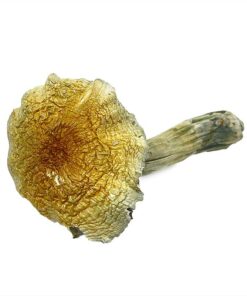
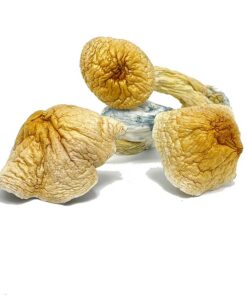
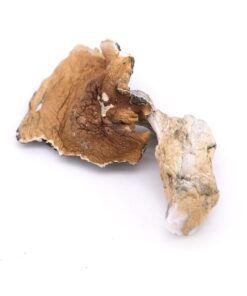
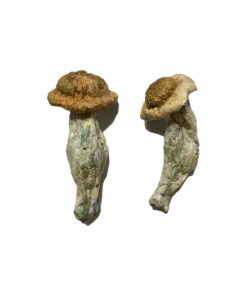
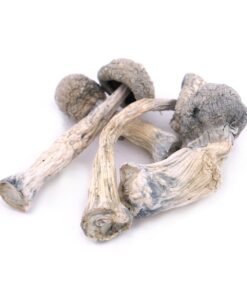
Reported Appearance
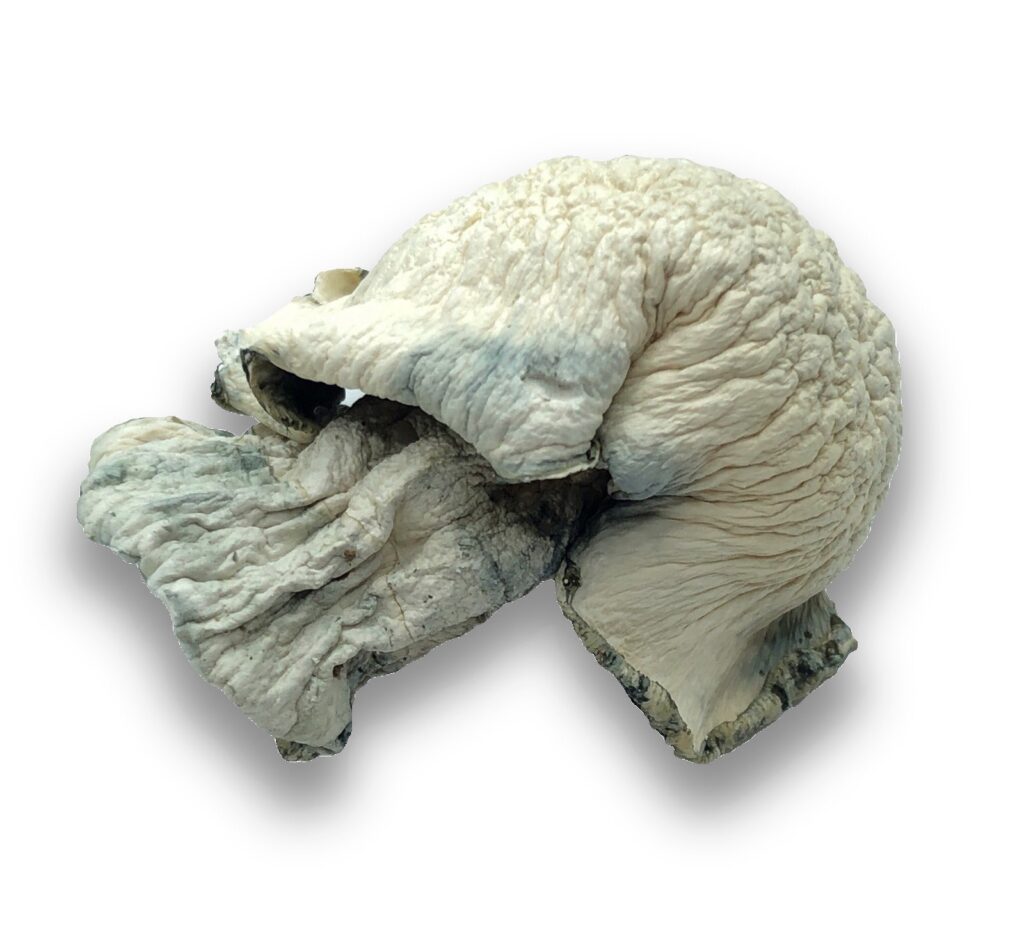
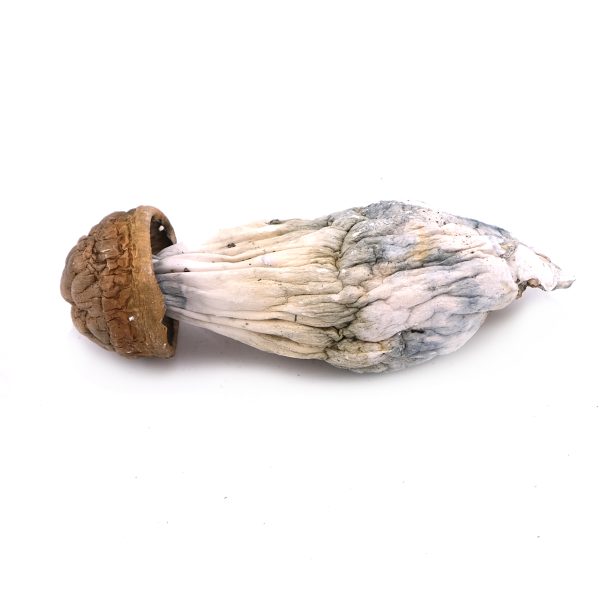
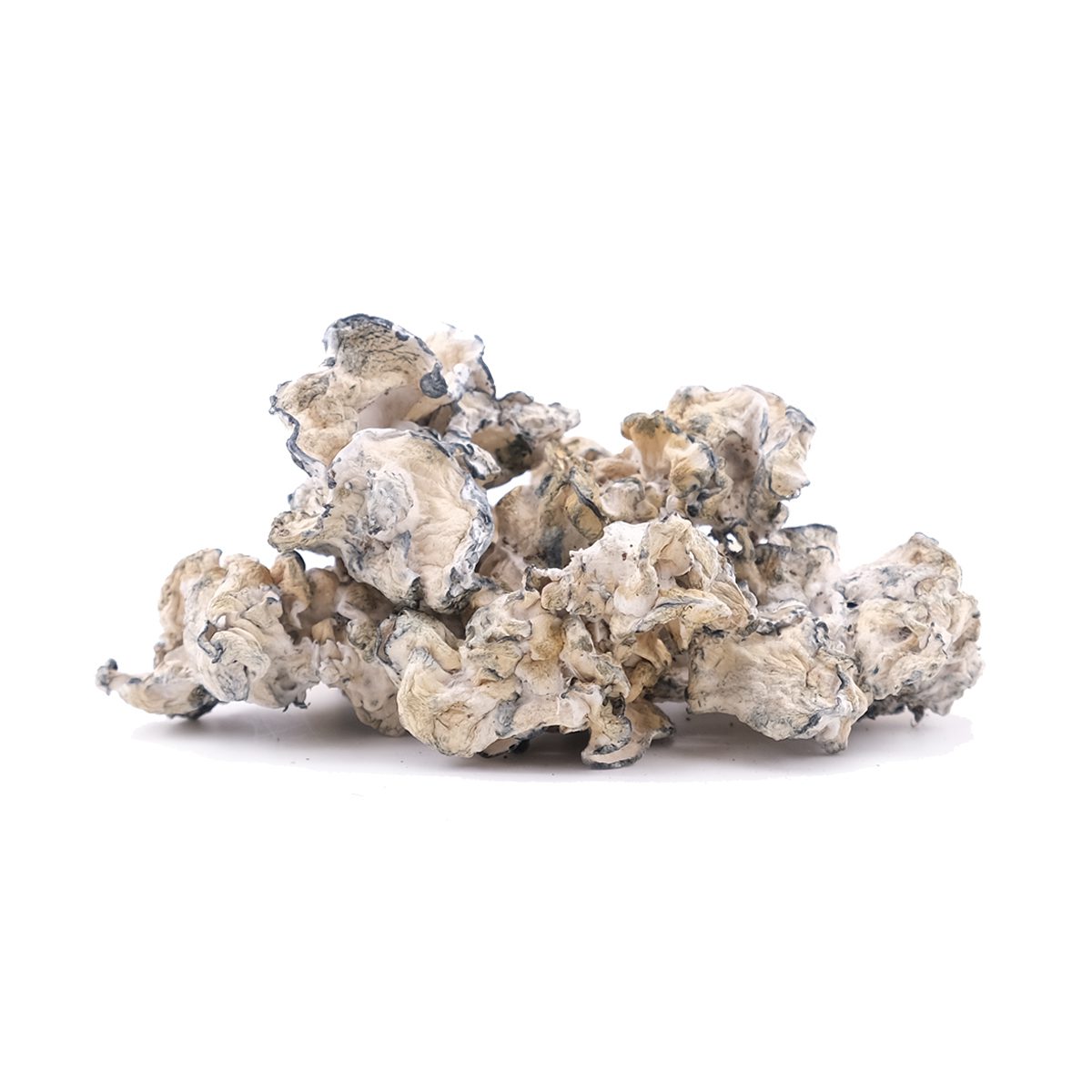
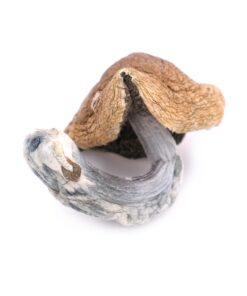
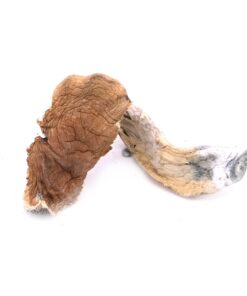
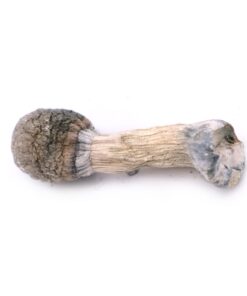
Descriptions of the Fisher mushroom may refer to observable
features such as cap form, stem structure, coloration, and overall morphology.
These characteristics are not necessarily fixed and can vary between
individual specimens.
- Cap shape can change as a specimen develops.
- Coloration may vary according to maturity and growing conditions.
- Stem dimensions can differ between individual mushrooms.
- Surface characteristics may change during development.
- Overall morphology can reflect both genetics and environmental factors.
Visible traits can be useful for descriptive purposes, but they should not be
treated as definitive proof of a particular genetic lineage.
Taxonomy and Classification
The Fisher mushroom is associated with
Psilocybe cubensis. Fisher is therefore better understood as a
community variety designation rather than the scientific name of a separate
species.
For formal scientific classification, the
NCBI Taxonomy database
provides taxonomic information concerning Psilocybe cubensis.
This distinction between an informal variety name and formal taxonomy is
important when evaluating mushroom information found online.
Scientific Research on Psilocybe cubensis
Scientific research generally examines Psilocybe cubensis at the
species level, along with topics such as genetics, taxonomy, chemistry, and
the compounds associated with the species. Individual community-named
varieties are not necessarily the subject of separate scientific studies.
Research into cultivated Psilocybe cubensis has investigated chemical
variation between samples. These findings provide useful species-level context
but should not automatically be interpreted as establishing a specific chemical
profile for the Fisher variety.
Additional peer-reviewed research can be found through
PubMed
,
a database maintained by the U.S. National Library of Medicine.
Identification Limitations
Identifying the Fisher mushroom solely from photographs or
general appearance can be unreliable. Different Psilocybe cubensis
varieties can display overlapping characteristics.
Maturity, environmental conditions, genetics, and specimen variation can all
affect visible morphology. Consequently, a particular cap shape or stem
appearance should not be treated as definitive evidence of genetic identity.
When scientific identification is required, laboratory-based approaches can
provide information that visual comparison alone cannot establish.
Related Mushroom Resources
Readers interested in broader mushroom education can explore related resources
from different Evergreen Mushrooms educational clusters:
Functional Mushrooms Explained
Microdosing Guide
Beginners Guide to Mushroom Microdosing
Microdose Safety Guide
Mushroom Gummies Benefits
For broader mushroom-category information, readers can also explore the
Dried Mushrooms
category and the
Fresh Mushrooms
category.
Legal and Safety Considerations
The legal status of psilocybin-containing mushrooms differs between
jurisdictions. Laws can vary between countries and may also differ between
states, provinces, and municipalities.
Anyone researching the Fisher mushroom should consult
current regulations applicable to their own location. Information from another
jurisdiction may not accurately describe local law.
Wild mushroom identification also presents significant safety concerns because
some mushrooms can resemble one another. Identification should not rely solely
on an online photograph or a community variety name.
Frequently Asked Questions About the Fisher Mushroom
What is the Fisher mushroom?
The Fisher mushroom is a community-used name associated with
a named variety of Psilocybe cubensis.
Is Fisher a separate mushroom species?
No. Fisher is used as a variety designation associated with
Psilocybe cubensis, rather than being established here as a separate
scientific species.
What characteristics are associated with the Fisher mushroom?
Community descriptions may discuss cap shape, coloration, stem structure, and
other morphological features. These characteristics can vary between
specimens.
Can appearance confirm a Fisher mushroom?
No. Appearance alone cannot reliably establish the genetic identity of a
named variety. Several Psilocybe cubensis varieties can have similar
visible characteristics.
Does scientific research specifically focus on Fisher?
Scientific literature generally focuses on Psilocybe cubensis and
related biological or chemical questions rather than treating every
community-named variety as a separately established research subject.
Why do descriptions of mushroom varieties differ?
Community terminology is not always standardized, and mushroom morphology can
change according to genetics, maturity, and environmental conditions.
Are psilocybin-containing mushrooms legal everywhere?
No. Their legal status varies considerably between jurisdictions. Current
local regulations should be checked before making legal assumptions.
Conclusion
The Fisher mushroom is best understood as a community-used
variety name associated with Psilocybe cubensis. Its reported
characteristics can provide useful educational context, but informal variety
descriptions should not be confused with formal scientific taxonomy.
For reliable mushroom research, it is useful to separate community terminology
from established scientific evidence and to recognize the limitations of
identifying mushroom varieties from appearance alone.
Be the first to review “Fisher Magic Mushrooms”