
Goldmember Mushroom: 6 Intriguing Facts & Essential Guide
Goldmember mushroom is a community-used name associated with a
named variety of Psilocybe cubensis. Like other named varieties, it
is discussed in mycology communities in relation to reported appearance,
lineage, and cultivation history. This guide examines what the name refers to,
how it is classified, what can and cannot be established from appearance, and
where it fits within broader mushroom research.
Goldmember Mushroom Overview
What Does Goldmember Mushroom Refer To?
The Goldmember mushroom is an informal name associated with
a named variety of Psilocybe cubensis. The term is primarily used
within mushroom communities rather than as the scientific name of a separate
species.
Named mushroom varieties are often discussed according to their reported
lineage, appearance, or community history. Those descriptions can be useful
for understanding how enthusiasts distinguish varieties, but they should not
automatically be interpreted as formal scientific classifications.
The distinction matters because a community variety name and a biological
species name describe different levels of classification.
Background and Variety Naming
The background of the Goldmember mushroom is connected to the
broader tradition of assigning names to different Psilocybe cubensis
varieties. Over time, mushroom communities have used distinctive names to
describe particular reported lines or phenotypes.
The available terminology surrounding named varieties is not always
standardized. Different sources may describe the same name differently, and
individual specimens can display variation.
For that reason, educational material about Goldmember should distinguish
between commonly reported community information and characteristics supported
by formal scientific research.
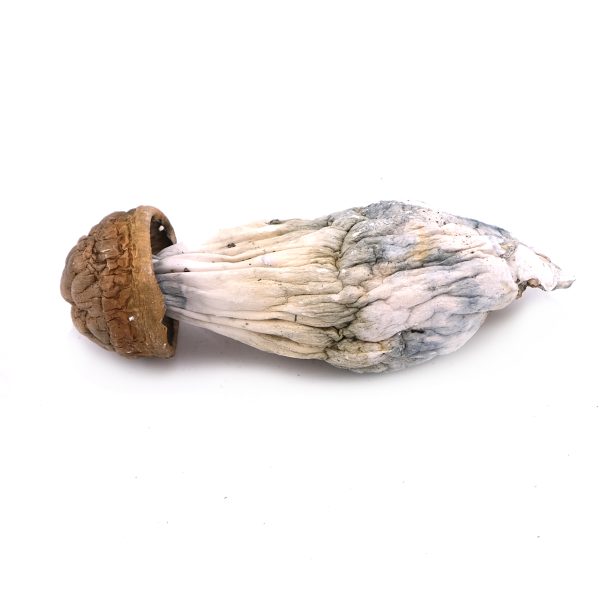
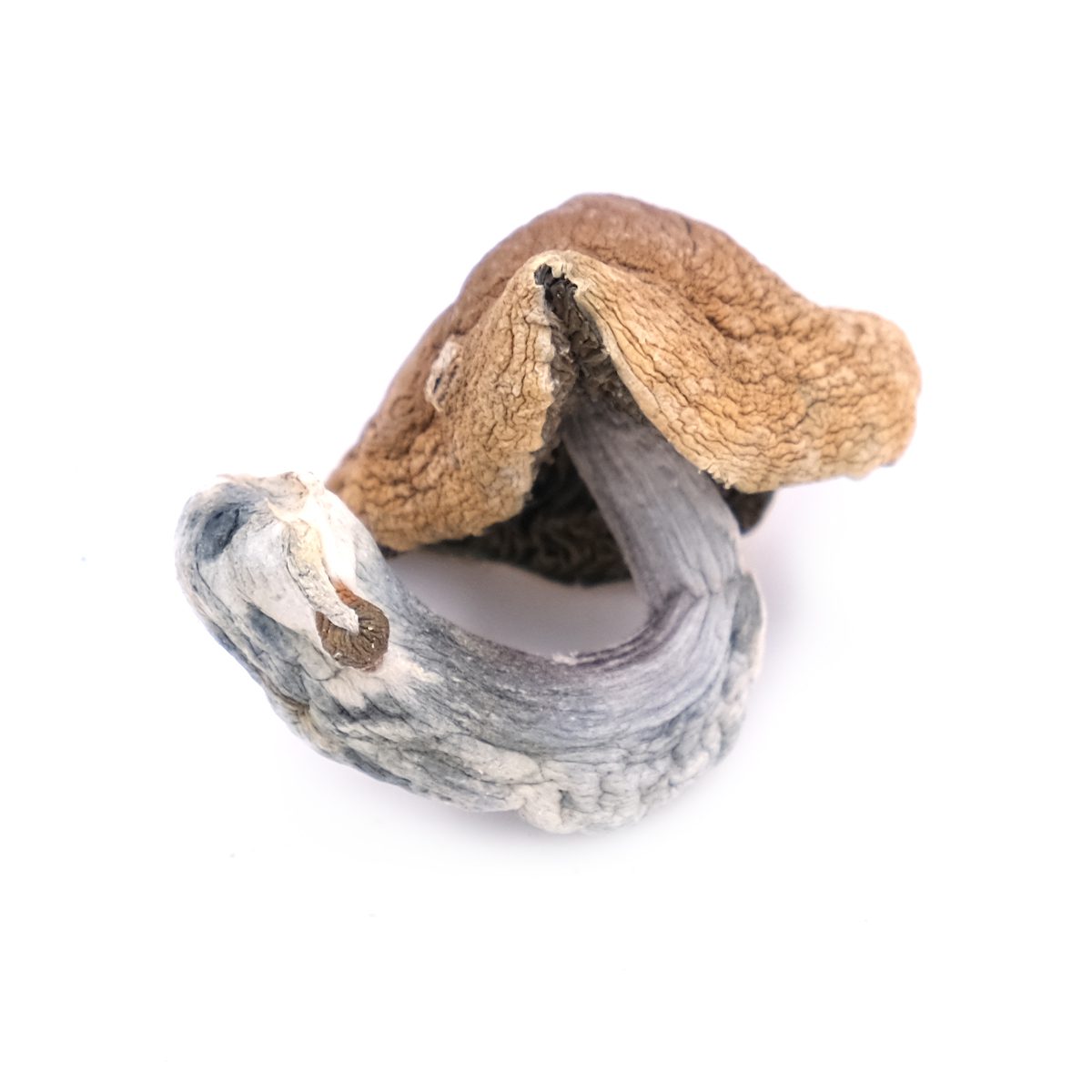
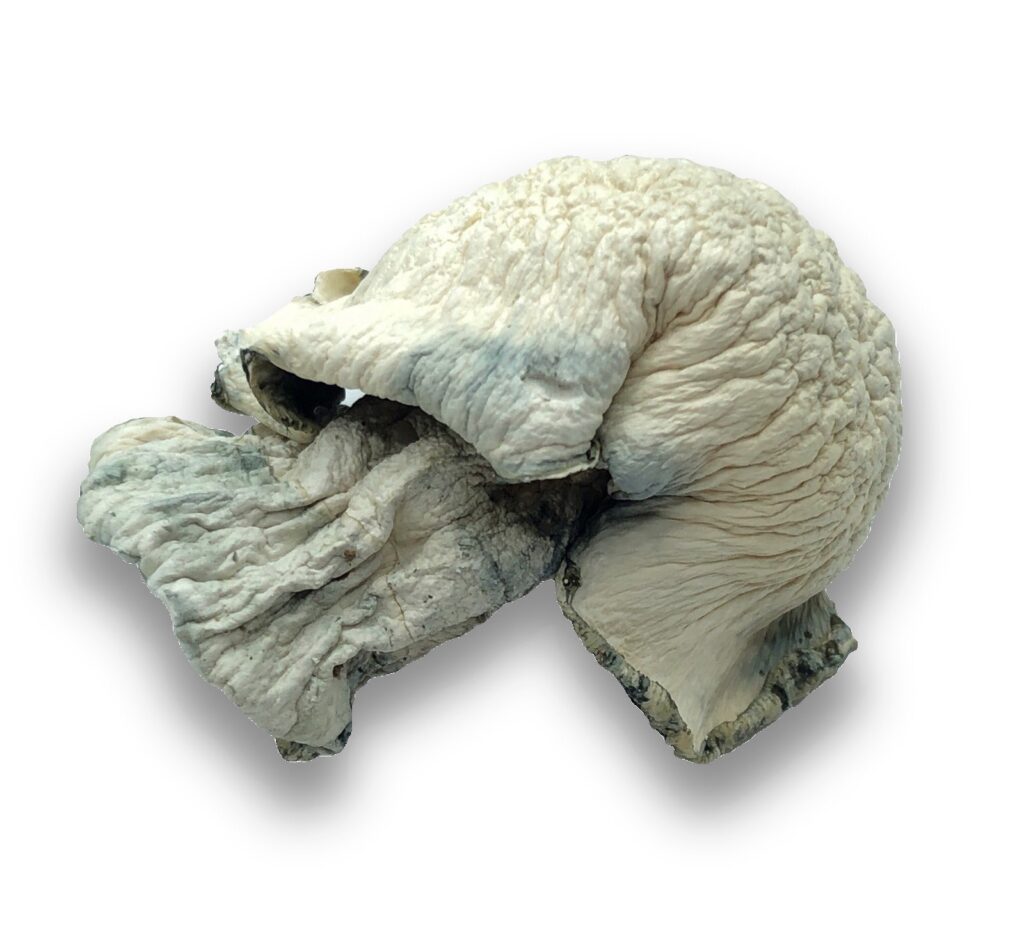
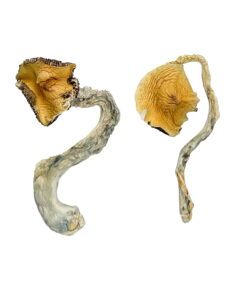
Reported Morphological Traits
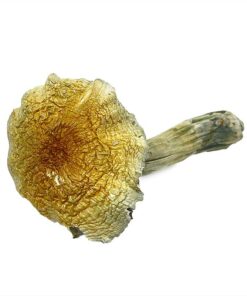
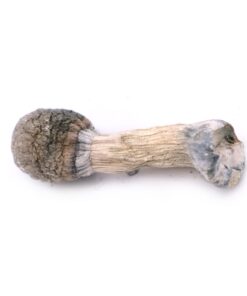
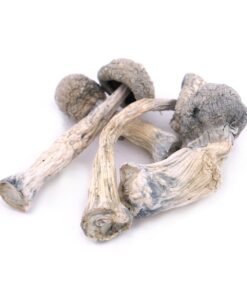
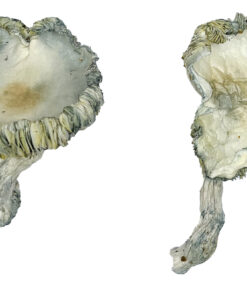
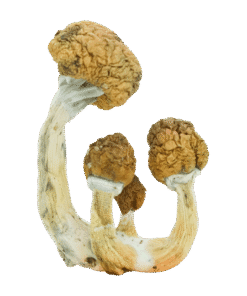
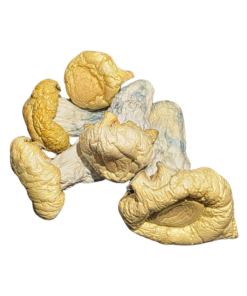
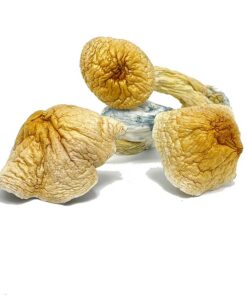
Descriptions of the Goldmember mushroom commonly focus on
visible characteristics such as cap form, stem structure, coloration, and
overall morphology. However, these traits may change between individual
specimens.
- Cap coloration can vary during development.
- Cap shape may change as the mushroom matures.
- Stem length and thickness can differ between specimens.
- Surface characteristics may vary with environmental conditions.
- Overall morphology can be influenced by genetics and development.
These observations are descriptive rather than definitive. A visual
characteristic should not be treated as proof that a particular specimen
belongs to a specific named variety.
Classification and Taxonomy
The Goldmember mushroom is associated with
Psilocybe cubensis. Goldmember is therefore best understood as a
community variety name rather than a separate scientific species.
For species-level taxonomic information, the
NCBI Taxonomy database
provides an authoritative scientific reference.
This distinction is particularly useful when researching mushroom varieties
online because informal terminology is sometimes presented as though it were
formal taxonomy.
Scientific Research Context
Scientific research generally focuses on Psilocybe cubensis,
psilocybin, genetics, taxonomy, chemistry, and related biological questions
rather than treating every community-named variety as an independently
established scientific subject.
Studies of cultivated Psilocybe cubensis have reported chemical
variation between samples. Such research can provide broader context for
understanding the species, but it should not be interpreted as establishing a
fixed chemical profile for the Goldmember variety specifically.
Peer-reviewed research examining chemical differences among cultivated
Psilocybe cubensis strains is available through
PubMed
.
This distinction between species-level evidence and variety-specific claims
helps keep educational mushroom information scientifically grounded.
Why Identification Can Be Difficult
Identifying the Goldmember mushroom from appearance alone can
be difficult. Different Psilocybe cubensis varieties may share
similar morphological characteristics, while specimens carrying the same
community name may not look identical.
Photographs can provide useful descriptive information, but they cannot
independently establish genetic identity. Maturity, genetics, and environmental
conditions can all affect visible traits.
Molecular approaches can provide stronger evidence when precise identification
is required. Scientific literature examining DNA-based identification of
Psilocybe specimens provides additional background through
this peer-reviewed PubMed research
.
Related Mushroom Reading
Readers interested in broader mushroom education can explore these Evergreen
Mushrooms resources. The links are selected from different educational
clusters rather than repeating the same articles on every variety page.
What Are Mushroom Microdose Gummies
Common Microdosing Mistakes
Microdose Safety Guide
Functional Mushrooms Explained
For additional mushroom-related information, visit the
Dried Mushrooms
category.
You can also explore the
Fresh Mushrooms
category for further mushroom information.
Legal Considerations
The legal status of psilocybin-containing mushrooms varies significantly
between jurisdictions. Laws can differ by country and may also vary between
states, provinces, or municipalities.
Anyone researching the Goldmember mushroom should verify the
current laws applicable to their own location rather than relying on
information from another jurisdiction.
This page is intended for educational purposes and does not constitute legal,
medical, or professional mushroom-identification advice.
Frequently Asked Questions About the Goldmember Mushroom
What is the Goldmember mushroom?
The Goldmember mushroom is a community-used name associated
with a named variety of Psilocybe cubensis.
Is Goldmember a separate species?
No. The Goldmember name is associated with Psilocybe cubensis and
does not by itself establish a separate scientific species.
How is the Goldmember mushroom described?
Descriptions may refer to cap coloration, cap shape, stem characteristics, and
other morphological traits. These characteristics can vary between specimens.
Can appearance confirm the variety?
No. Visual characteristics alone cannot reliably establish the genetic
identity of a named variety. Different varieties can have overlapping
appearances.
Does scientific research specifically study Goldmember?
Most scientific research concerns Psilocybe cubensis more broadly,
including its taxonomy, genetics, chemistry, and associated compounds, rather
than treating every community variety as a separate scientific subject.
Why can descriptions of named varieties differ?
Named variety terminology is largely community-based and may not be
standardized. Genetics and environmental conditions can also contribute to
variation between individual specimens.
Is the Goldmember mushroom legal everywhere?
No. Laws concerning psilocybin-containing mushrooms differ between
jurisdictions. Current local regulations should always be checked.
Final Thoughts
The Goldmember mushroom is a named variety associated with
Psilocybe cubensis and discussed primarily through mushroom community
terminology. Its reported characteristics provide useful educational context,
but they should not be confused with formal scientific identification.
For reliable research, it is best to distinguish community variety names from
species-level taxonomy, recognize the limitations of visual identification,
and rely on peer-reviewed scientific literature when evaluating claims about
the biology, chemistry, or genetics of Psilocybe cubensis.
Be the first to review “Gold Members Magic Mushrooms”