
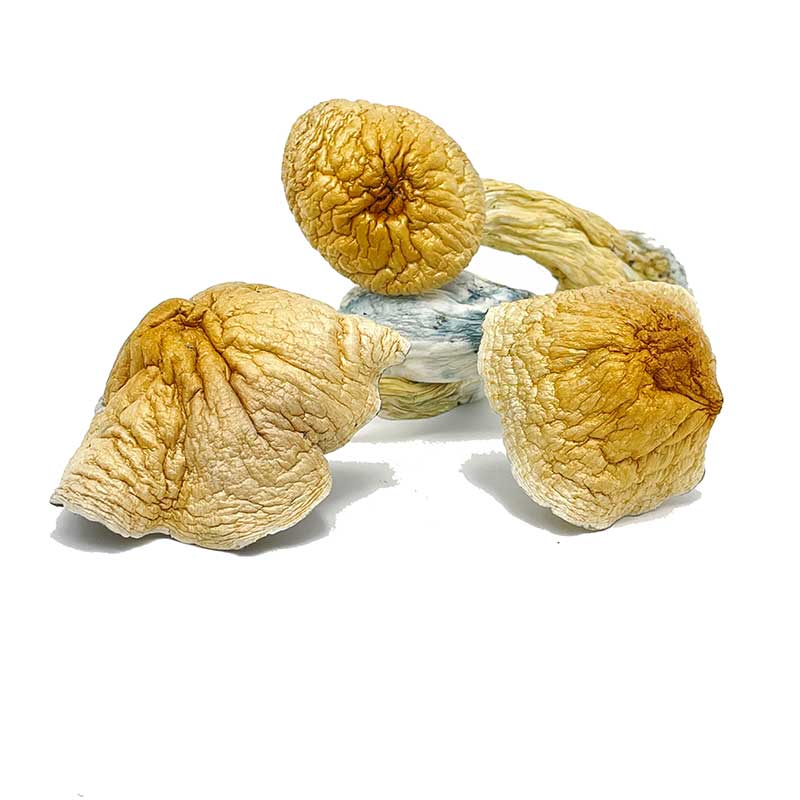
African Transkei Mushroom
Price range: $50.00 through $200.00
African Transkei mushrooms, commonly referred to as SATs (South African Transkei), were a potent and visually rich strain of Psilocybe cubensis that originated in the coastal Transkei region of South Africa. Known for their natural resilience and distinct genetic makeup, these mushrooms were once celebrated for delivering some of the most vibrant sensory trips available from any cubensis variety.
The African Transkei Mushroom holds a unique and highly respected position in global mycology as the first widely documented variant of its species traced back to the African continent. Discovered growing natively along the Wild Coast of South Africa, this specific cultivar is recognized for its adaptive growth patterns and robust cell wall resilience. Like many specialized wild strains, its overall development, physical sizing, and cellular density can vary widely based on available substrate nutrition, regional humidity settings, and laboratory cultivation methods.
Table of Contents
What Is the African Transkei Mushroom?
The African Transkei Mushroom is an informal name used within mycological communities to designate a distinct wild-derived lineage belonging to the species Psilocybe cubensis. In academic settings, these specific names are utilized as localized strain indicators to track geographic distribution rather than representing a completely new species inside formal botanical categories. This particular South African variant has attracted widespread interest from researchers looking into how different climates alter genetic traits within the same general fungal family.
When analyzing historical records across alternative academic channels, this strain is often praised for its rapid colonization rate and its tendency to produce uniform clusters. This efficient life cycle provides laboratory technicians with a highly predictable baseline model when conducting comparative studies against older, heavily domestic lines from other regions of the world.
Native Origin & Discovery Context
The documented history of the African Transkei Mushroom begins around 2002 in the Transkei region, situated along the southeastern coast of South Africa. Local records show that original specimens were gathered growing in shaded coastal grasslands directly on local cattle dung. Because the native climate fluctuates between humid ocean breezes and dry inland conditions, this lineage developed a durable outer barrier that allows it to survive unexpected temperature changes that would easily stall more fragile variants.
Unlike standard lab-created hybrids, this strain represents a true landrace adaptation—meaning its genetic makeup was forged entirely by natural selection in its local ecosystem before human intervention. This makes it an incredibly useful tool for scientists mapping the evolutionary migrations of global Psilocybe cubensis varieties.
Mushroom Morphology and Taxonomy Markers
The physical layout of this specimen is highly specific, displaying several structural adjustments that help experts distinguish it from European or American counterparts. Observing these traits under magnification provides excellent data on how environmental demands shape regional mushroom morphology and taxonomy structures.
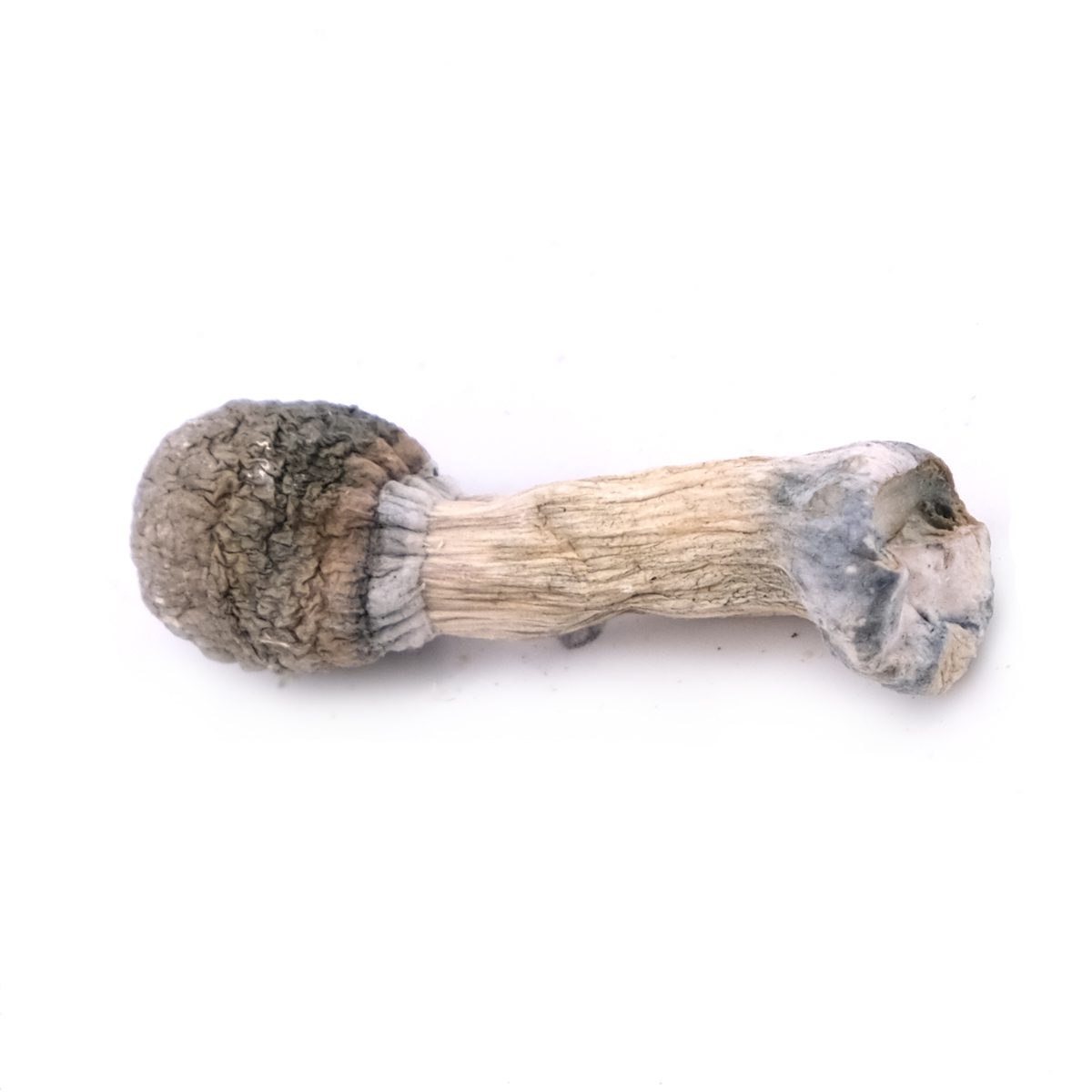
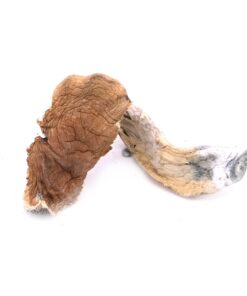
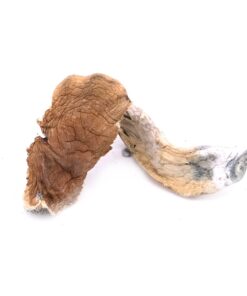
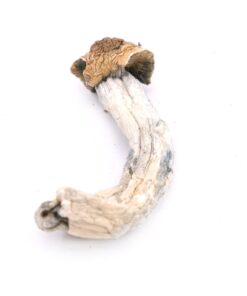
- Slender and Twisty Stems: The stalks typically develop a narrow, fibrous, and elongated shape, often twisting slightly as they reach upward toward indirect light sources.
- Flaring, Fluid Caps: The caps start out as deep golden or chestnut brown buttons, expanding into wide, pale cream or straw-colored umbrellas with dark, rich centers as they reach full maturity.
- Heavy Spore Production: Unlike sterile laboratory mutations, this wild-type strain drops a massive volume of dark, purplish-brown spores, making it simple to secure clean prints for long-term storage.
- Pronounced Purplish Gills: The gill plates underneath the cap are closely spaced and shift to a deep chocolate or dark purple hue as the spores ripen.
Scientific Research on Psilocybin Strains
Modern clinical laboratories choose to explore the core molecular properties of active compounds rather than analyzing every individual trade name used by collectors. Current scientific research on psilocybin and psilocin focuses heavily on understanding receptor binding pathways, metabolic transformation, and how these molecules interact with human neurological networks in high-precision, controlled research facilities.
In historical or cultural contexts, traditional groups occasionally processed wild harvests into liquids like a basic mushroom psilocybin tea to reduce tough organic matter during ceremonial observation. To review the latest clinical safety findings and compound data updates, you can access the research repository at the Johns Hopkins Center for Psychedelic and Consciousness Research or consult federal public health alerts hosted by the National Institute on Drug Abuse (NIDA).
Legal Standing & Safety Guidelines
The regulatory status of fungi containing psychotropic alkaloids is strictly managed across different states and international borders. Most jurisdictions classify these specific biological specimens as heavily restricted controlled substances, making unauthorized gathering, possession, or distribution a punishable legal offense. Anyone conducting structural mycology work must review their regional state statutes to guarantee complete compliance with all applicable local rules.
Additionally, hunting for wild mushrooms in non-controlled outdoor fields presents severe health risks due to the presence of lethal lookalikes that share matching physical profiles. To study safe, legal culinary alternatives and find fully compliant mushroom grow kits for gourmet varieties, you can view the resources on the Evergreen Mushrooms portal or explore professional cultivation tools on the official Evergreen Mushrooms Shop Page.
Frequently Asked Questions
What is the African Transkei Mushroom?
It is a wild-derived African landrace variant of the species Psilocybe cubensis, originally sourced from the coastal grasslands of South Africa and recognized for its slender stalks and fluid caps.
Is this strain classified as a distinct scientific species?
No. It is categorized as a named cultivation lineage within the broader Psilocybe cubensis family, not as an independent species within formal biological taxonomy databases.
How does the Transkei strain react to environmental shifts?
Due to its native coastal origin, it exhibits strong environmental resilience, showing a high tolerance for minor humidity drops and rapid mycelial colonization compared to highly sensitive indoor hybrids.
Where can I access verified academic updates on fungal research?
Validated clinical and pharmacology studies regarding active natural compounds are published regularly by the Johns Hopkins Center for Psychedelic and Consciousness Research and the National Institute on Drug Abuse (NIDA).
| Grams | 5gs, 10gs, 15gs, 20gs |
|---|
Reviews
There are no reviews yet.
Related products
Psilocybin Mushrooms
Psilocybin Mushrooms
Psilocybin Mushrooms
Psilocybin Mushrooms
Psilocybin Mushrooms
Psilocybin Mushrooms
Psilocybin Mushrooms
Psilocybin Mushrooms
Be the first to review “African Transkei Mushroom”